 2026 Platinum
Table of Contents
- Introduction: The Season Stirs
- 1. Sort Out Your Golf Bag: Empty, Clean, Refill
- 2. Inspect and Clean Your Clubs: Winter Tells Its Stories
- 3. Refresh Your Golf Shoes: Respect for the Hallowed Turf
- 4. Update Your Golf Wardrobe: Scottish Knitwear for Spring
- 5. Check the Weather (Then Pack for Otherwise)
- 6. Practice Swings and Mental Preparation: Before the Course
- Conclusion: The Rituals Never Change
Introduction: The Season Stirs
The rituals never change with Glenmuir.
There's a particular feeling that arrives with spring, a quiet stirring that every golfer recognises. It begins before the first tee time is booked, before the clubs leave the garage. It's the moment you check the weather app twice in one morning, or find yourself cleaning your car for no particular reason other than respect for the game ahead.
At Glenmuir, the start of the season is one of the most anticipated times of the year. Early morning tee times, mist and dew still lingering on the fairways, crisp air and vibrant colours as the sun reaches across the land, awakening well-rested corners of the course. Perfect weather for Scottish golf, even better for Scottish golf knitwear.
The golf course represents something increasingly rare in modern life, a genuine third space, completely free from the demands of family and work. Constant communication fights for our attention; our phones ding, our watches vibrate, even our glasses aren't safe from notifications. The course is one of the very few places that encourages dedicated focus without distraction. The last thing any of us wants is to check emails or watch reels when we're out with our mates.
So as the season approaches, preparation becomes more than practical necessity, it becomes ritual. Here are six essential steps to ready yourself for the golf ahead.

1. Sort Out Your Golf Bag: Empty, Clean, Refill
Dawn. Silence. Possibility. It begins before the first tee.
First things first: retrieve your golf bag from wherever it's been hibernating. If you're like most golfers, you simply dumped it in the garage at the end of last season. Now it's time to make amends.
Empty everything completely. Clear all the pockets and delve into the bottom for loose tees, balls, scorecards from rounds you'd rather forget, and that half-eaten energy bar from September. Once you've emptied the bag, give it a proper clean, wipe down the outside and take a hand-held hoover to the inside.
Now it's time to refill it thoughtfully. Make sure you've got all the essentials: a fresh bag of tees, some clean balls, alignment sticks, new battery in the distance reading device, a few hand towels for those trademark British downpours, and a pitch mark repair tool. Add a spare golf glove, some plasters (blisters happen), and perhaps a small notebook for recording memorable moments rather than just scores.
The ritual of preparing your bag is meditative. Each item placed deliberately. Each pocket serving its purpose. It's a small act of respect for the game and the courses you'll visit.
2. Inspect and Clean Your Clubs: Winter Tells Its Stories
Every mark has a memory. Last traces of winter golf cling to your irons.
Your clubs have stories to tell, mud from that soggy February round, grass stains from the summer medal, perhaps a small ding from the time you found tree root instead of the ball. These marks are memories, but they needn't stay on your clubs forever.
Fill a bucket with warm soapy water and give each club a thorough clean. Use an old toothbrush to work into the grooves of your irons and wedges—the definition in these grooves is crucial for controlling spin and preventing the ball from 'slipping' off the face. If you want to really get technical, as PGA Tour Winner and ambassador Aaron Rai says, a drop of baby oil does wonders to your grooves.
While cleaning, inspect each club carefully. Check for:
• Worn or damaged grips that need replacing
• Cracks in shafts (which can lead to rust and structural weakness)
• Loose clubheads (you wouldn’t want to dismember a playing partner)
• Grooves that have lost their definition
Your grips deserve particular attention. How you hold your club is one of the most important aspects of your swing, it's where your body comes into contact with the equipment. If it's not right, or is uncomfortable, no matter how good your swing is, it won't transfer properly to the ball. Even if grips look fine, they should be replaced every two years at minimum as they start to develop indentations. For regular players, make it an annual task.
Preparing for better lies ahead starts with clubs that are ready to perform.
 |
 |
3. Refresh Your Golf Shoes: Respect for the Hallowed Turf
Details matter. Polished for opening day.
Golf shoes often receive less attention than they deserve, yet you'll walk four to six miles in them during an average round. Retrieve them from the cupboard and assess their condition honestly.
Clean them thoroughly, removing dried mud and grass. Check the spikes—soft spikes wear down over time and should be replaced if they're looking flat or damaged. Fresh spikes provide better grip and stability, particularly important on dewy early-season mornings.
If your shoes are leather, consider treating them with a waterproofing spray. British weather is famously unpredictable, and there's nothing worse than soggy feet by the fifth hole.
This is also the moment to ask: are these shoes still serving you well? Golf shoe technology has improved significantly in recent years. If your current pair is causing discomfort or lacking support, investing in new shoes might be the single best decision you make this season.
A clean pair of golf shoes at the first tee signals something: you're ready. You've taken care. You're treating the day with the respect it deserves.
4. Update Your Golf Wardrobe: Scottish Knitwear for Spring
The season starts quietly. A familiar rhythm returns.
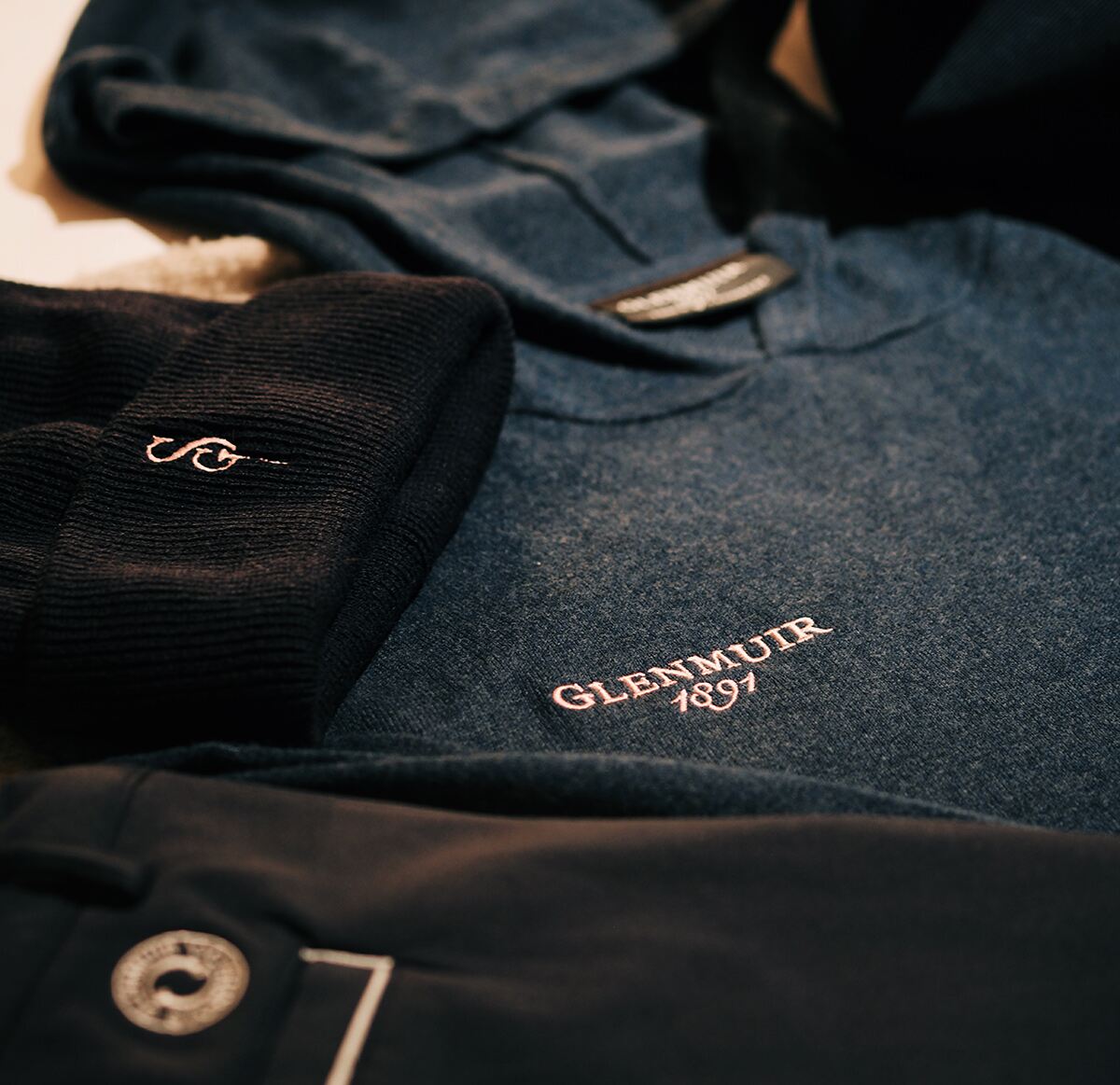
As we prepare to welcome spring, we reach for our favourite golf sweater—the one that always comes out at this time of year. Beautifully soft lambswool with the club crest embroidered on it, same as Dad's but a different colour. We remember the rounds of last season, and as we stand at the first tee looking ahead, we look forward to the new memories we're about to make.
Golf clothing serves dual purposes: performance and tradition. Modern fabrics in golf outerwear, sweaters and polo shirts offer moisture-wicking properties, stretch for unrestricted swing, and temperature regulation. But they also connect us to golf's heritage, the cable-knit patterns, the understated elegance, the quality that endures season after season.
For the British golf season, ensure your wardrobe includes:
Layering essentials:
Lightweight merino golf sweaters or lambswool v-necks that work over polo shirts. Scottish mornings can be brisk even in May, and quality golf knitwear provides warmth without bulk or restriction.
Quality polo shirts:
Choose breathable fabrics in both classic colours (navy, white, light grey marl) and perhaps a few spring pastels like our new Linen or Rapsberry colours. Performance polos with moisture-wicking technology keep you comfortable through changing conditions.
Waterproof outerwear:
A gilet or lightweight jacket with a good water-repellent finish. Look for PFC-free, plant-based treatments that are better for the environment without compromising protection. For full downpours look no further than Sunderland of Scotland, the original golf waterproof brand.
Proper trousers or shorts:
Depending on your club's dress code. Ensure they allow free movement through your swing.
Hats and accessories:
A cap for sunny days, a beanie for chilly mornings, and quality golf gloves.
The beauty of investing in quality golf clothing, particularly natural fibre knitwear in lambswool, merino wool, or cotton-cashmere blends, is that these pieces last for years. They become part of your personal golf story, improving with age like a well-maintained course. Scottish instincts never leave you: prepare for sunshine, but pack the sweater.
5. Check the Weather (Then Pack for Otherwise)
Hope, with a jacket nearby. A golfer always checks twice.
There's a particular type of optimism unique to British golfers. We check the weather forecast, see 'partly cloudy with a 20% chance of rain,' and convince ourselves it will stay dry. Then we pack waterproofs anyway, because we know better.
This wisdom extends beyond just checking apps. True preparation for the season means having options ready: Create a 'weather-flexible' golf bag strategy. Keep a lightweight waterproof layer permanently in your bag (like g.KYLE or s.WHISPERDRY STEALTH), or modern fabrics pack down small and won't take up much room. Add a spare golf sweater in merino wool like the g.KNOX or lambswool like g.COLL; natural fibres perform remarkably well in damp conditions, maintaining warmth even when slightly wet.
Check your golf umbrella. Is it still functional? Does it actually fit in your bag properly? There's nothing quite like discovering your umbrella has a broken rib when the heavens open on the seventh hole.
The ritual of weather-checking isn't superstition—it's respect for the Scottish game we've inherited. Golf was born on windswept links where conditions change by the hour. Being prepared for 'otherwise' is simply being properly equipped to enjoy whatever the day brings
6. Practice Swings and Mental Preparation: Before the Course
Old habits return quickly. The swing remembers. A quiet rehearsal before the season begins.
Physical preparation matters, but so does mental readiness. The off-season—whether you've taken two months or just two weeks—creates distance from your game. Bridging that gap thoughtfully makes all the difference.
Visit the driving range:
Don't wait until your first proper round to rediscover your swing. Spend an hour at the range reacquainting yourself with each club. Start with some easy wedges moving your chest through the ball and to the target, then short irons and work up to driver. Focus on rhythm rather than distance. The swing remembers, but it appreciates a gentle reminder.
Practice short game:
The area around the green is where scores are truly made. If your club has practice chipping and putting areas, use them. Fifteen minutes of focused short game practice will pay dividends throughout the season and help you get your touch and feel back.
Visualise success:
As you clean your clubs or pack your bag, let your mind wander through favourite holes. Visualise standing on the first tee, the satisfying feel of a well-struck putt, the flight of a draw around that dogleg on the 12th. These aren't fantasies—they're mental rehearsal, preparing your mind as carefully as you've prepared your equipment.
Book that first tee time:
Finally, commit. Choose a course you love, invite friends who make you laugh, and put the date in your calendar. The anticipation and Whatsapp chat itself becomes part of the joy.

Conclusion: The Rituals Never Change
The course begins to breathe again. Spring, quietly arriving. The season stirs.
Preparation rituals for the golf season aren't about perfectionism, they're about intention. Whether you're meticulously cleaning every groove in your wedges or simply giving your car a quick clean as a mark of respect, these small acts connect us to something larger than ourselves.
Golf offers what so few pursuits can: complete presence in the moment, genuine connection with friends, and escape from the digital demands that fragment our attention. The course remains a sanctuary, a third space where phones stay silent and conversations flow naturally.
As we launch our new Spring Summer 26 collection of quality golf clothing at Glenmuir, we're reminded of seasons gone by. The anticipation never diminishes. That first drive of the season carries the weight of winter's absence and the promise of warmer summer rounds to come.
So clean your clubs, refresh your golf wardrobe, check the weather twice, and book that tee time. The fairways are waiting. The season is calling. And as we say in Scotland: Buaidh no bàs—victory or death.
Though in golf, we'll settle for simply remembering to move the ball marker back if we moved it in the first place.