Glenmuir Icon Sunderland Icon Macwet Icon
The Glenmuir debate: steel or graphite clubs?

The Glenmuir debate: steel or graphite clubs?

When it comes to golf clubs, the debate over which is better – steel or graphite – still rages on. We take a look at both sides of the argument…

18 Feb 2016 1 minute read
Back to articles
  
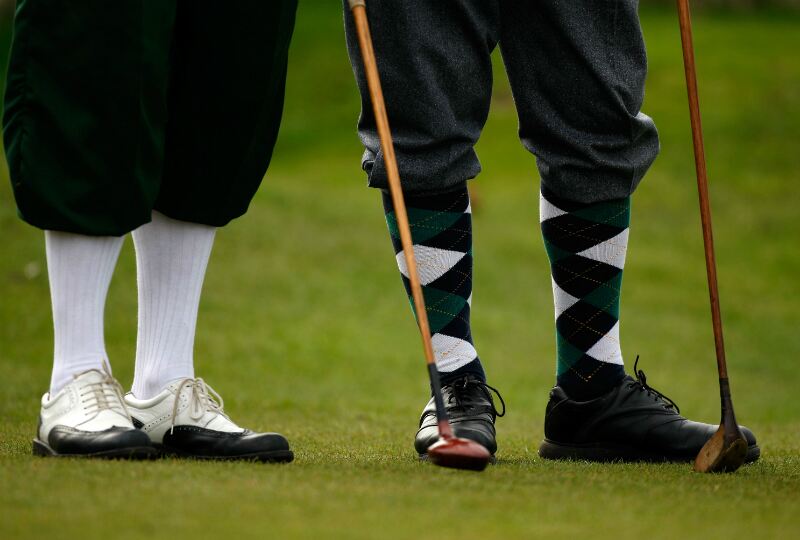
Golfing equipment has evolved massively since the early days of wooden shafted clubs and feather-filled balls. These days, every inch of your kit will have been put through a battery of tests, making sure they perform to their best under all conditions.


But despite science’s best efforts, the answer to whether steel or graphite is best for a golf club has yet to be definitively answered. Because, at the end of the day, each player is different and wants different things from their clubs.

We’re helping you decide by taking a look at the whether steel or graphite clubs are best for you…

Selecting steel

The move away from hickory shafts to steel mid-century helped in making golf a more uniform game. Gone were the inconsistencies found in hickory clubs, not just between different clubs, but even swings.

Since then, steel has become a popular choice among both amateur and professional golfers.

The reasons steel is still a popular choice today include:

  • Affordability: Steel is a lot cheaper than graphite - when you multiply the price difference by 14 times for a full set, then it starts to make a real difference
  • Low maintenance: Steel is hardy and needs little in the way of maintenance. While graphite can chip or peel, steel stays strong. In fact, unless you whack it against something, steel should last for years, if not decades
  • Good performance: While much has been made of how graphite can improve your swing, it’s not necessarily true. Steel’s more rigid shafts provide less flex and can give players a better idea of how they’re hitting the ball. For golfers who swing fast, a stiff steel shaft is usually recommended 
  • Different types: There is variety in steel – you can choose a stepped shaft or a rifle shaft. The stepped shafts are more common and provide a good level of consistency. Rifle shafts remove the steps, which can decrease your energy transfer and accuracy. 
  
The Glenmuir debate: steel or graphite clubs?
  

Go for graphite

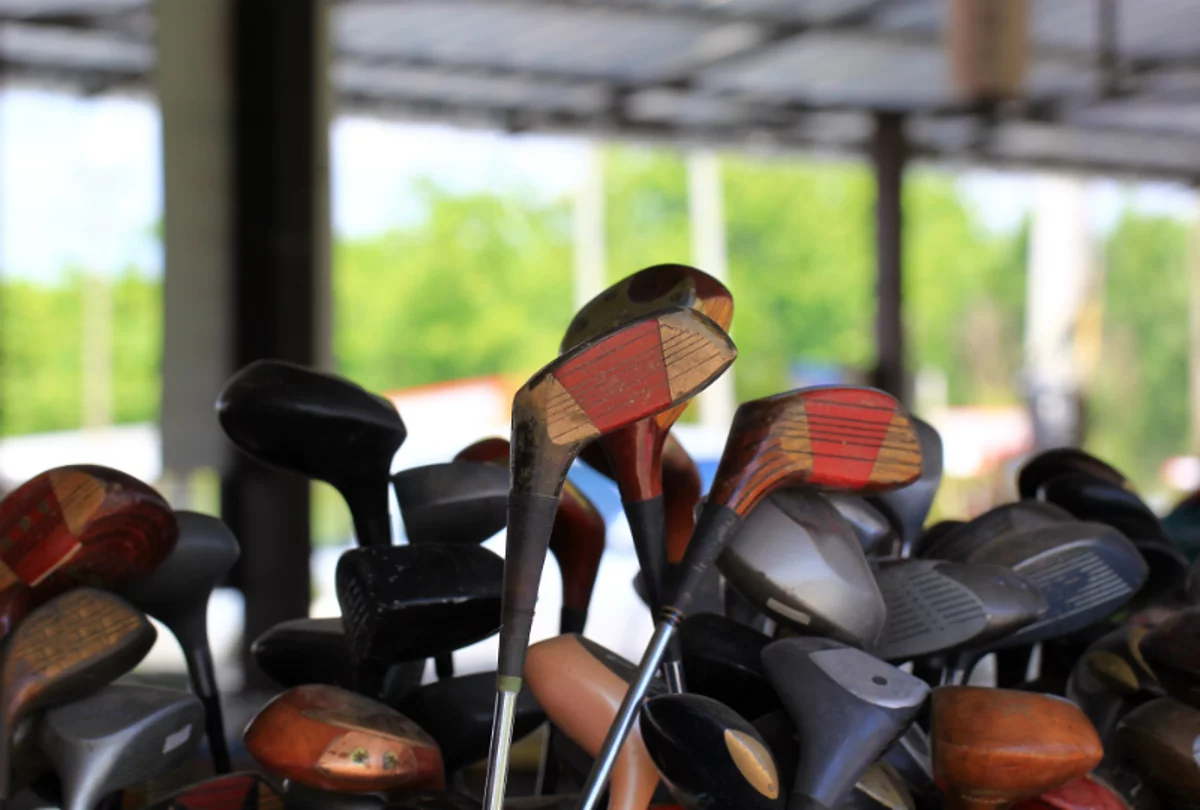
In the 1970s, new technological advances were improving the game for everyone and one such advance was carbon-composite materials such as graphite.

Initially adopted by seniors and women due to its lightness, in the 1990s advances in manufacturing methods made graphite clubs more appealing to all professional golfers.

The reasons people opt for graphite include:

  • Lighter: Weight is the one big difference between graphite and steel, with graphite clubs sometimes weighing half as much. This can help produce faster swings and longer drives. But it can also give the golfer less control over their swing

  • Vibrations: A second major factor is the lack of vibration in graphite. Especially if you’re starting off and often mishitting the ball, vibrations can be uncomfortable
  • Adaptability: Graphite has evolved over the years and due to the adaptability of the material, many of the problems the clubs initially faced have been ironed out. Graphite clubs can now be as stiff as steel and are becoming more uniform throughout the set. Because of this, graphite clubs can be bought to suit almost any player
The Glenmuir debate: steel or graphite clubs?
  

Which should I go for?

In the end, there is no right answer. Go to a driving range and try a few different types. Find out what type of player you are and how you play your game.

Are you all about strength and distance or control and finesse? Shop around and ask in clubhouses for tailored recommendations.
   

RECENTLY VIEWED