2026 Platinum

Table of Contents
Golf in Scotland was a winter game long before it was a summer one. The first Open Championship was played on 17 October 1860. Summer play on some courses was restricted or banned entirely because the land was needed for grazing and the grass grew too long to find a ball. The notion that the golf season runs from April to September is a modern convenience, not a Scottish tradition.
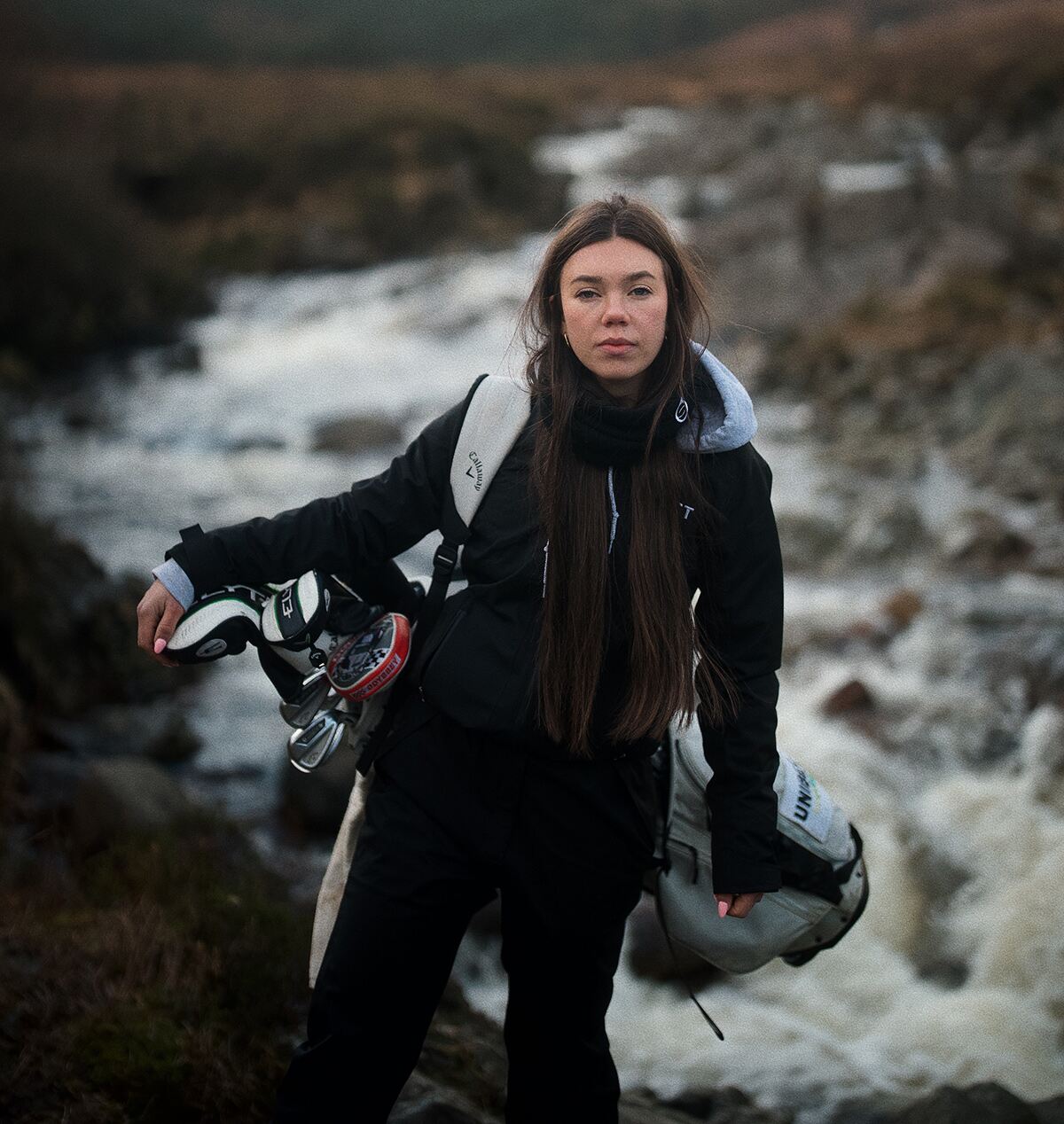
Why the courses play better
The biggest advantage of winter links golf is the terrain itself. Sandy, free-draining soil means that coastal courses are rarely waterlogged, even after sustained rainfall. Scotland’s east coast, from Dunbar through East Lothian and up through Fife, very rarely sees snow, and frost is less persistent than on inland ground. In over twenty years on Scotland’s east coast, full snow closures have been vanishingly rare.
Inland parkland courses can be a different story: waterlogged fairways, temporary greens, muddy paths between holes. But the links? They play beautifully through winter. The ball runs for miles on firm, cold turf. The fairways are fast. The greens, though sometimes protected by winter pin positions or frost-course arrangements, are often truer than in the height of summer when the grass is growing fastest.
Some courses get creative. Cruden Bay in Aberdeenshire operates a frost course on particularly cold mornings, keeping the front edges of greens closely mown and bringing a wee par-three 19th hole into play between the 12th and 13th. It sits right out on the coast, 130 yards to a thin sliver of green with the rocks and crashing sea behind it. It is exclusive to winter visitors, and it is brilliant.
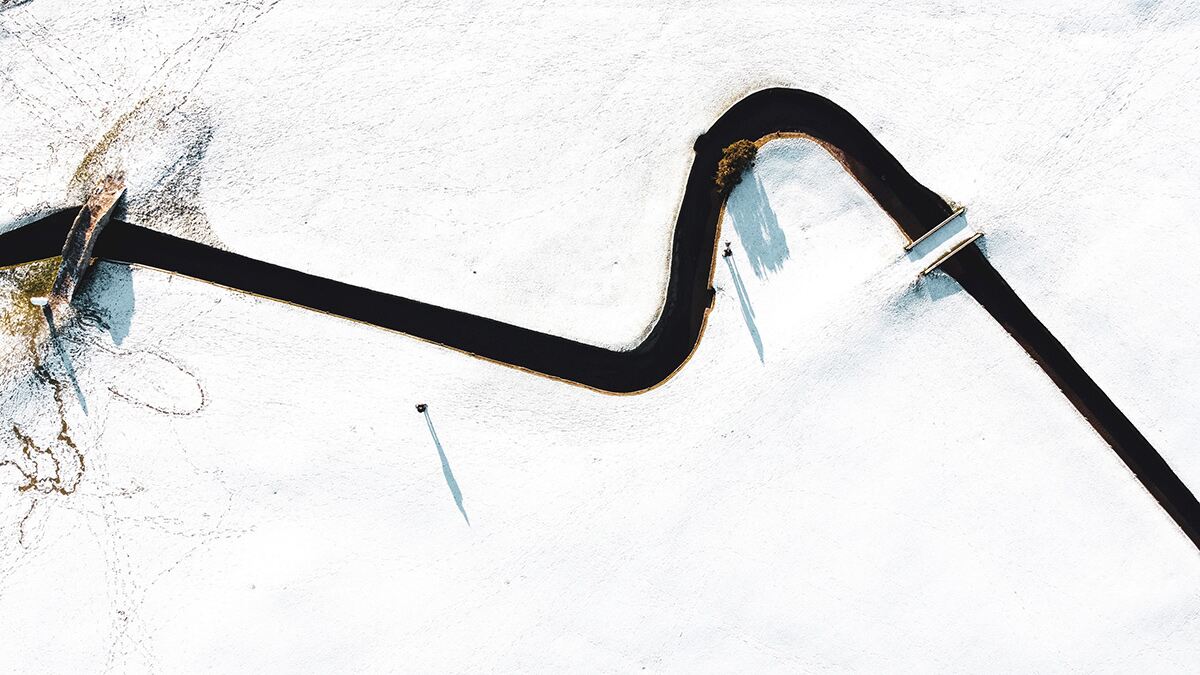
The practical advantages
Green fees drop considerably from October through March at most courses across Scotland. The premium venues that charge top dollar in July become significantly more accessible. Tee time availability improves across the board, and the Old Course ballot odds at St Andrews increase significantly in the shoulder months. For visiting golfers on a budget, winter represents some of the best value in world golf.
The courses are quieter. A round that takes five hours in August takes three and a half in November. There are fewer groups ahead, fewer distractions, and a particular stillness to a links course in winter that you simply do not get in summer. The light on a clear December afternoon, low and golden over the sea, is something quite special.

The cold-weather challenge
For roughly every 5°C drop in temperature, a golf ball travels around two yards less. It is a modest difference, but worth factoring into club selection, especially on longer par fours. More significant is the effect of cold on the golfer. Stiff muscles, numb fingers and thicker clothing can all affect the swing.
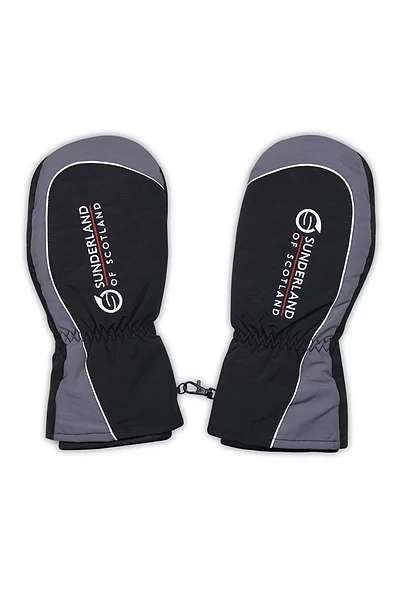
This is where layering properly becomes a performance strategy rather than just a comfort choice. A merino or lambswool mid-layer keeps the core warm without restricting movement. A gilet over the top adds warmth while leaving the arms free. The s.Mittens are a genuine game-saver: slip them on between shots and your grip stays warm and responsive when it matters. A g.Malabar thermal beanie keeps the wind out of the ears. And the s.Thermal Neck warmer does what a scarf does without getting in the way of the swing.


The camaraderie
There is something about winter golf that brings out the best in people. The golfers who play year-round tend to be the ones who love the game most. The nineteenth hole feels properly earned. The soup at the halfway house tastes better when your fingers are cold. And there is a quiet pride among Scottish golfers who play through conditions that would keep most people indoors. They have been doing it since 1457. The rest of the world is only just catching on.