 2026 Platinum
Table of Contents
- The shift
- The mixed bag
- The classic comeback
- Colour and print
- Where Glenmuir fits in
- Effortless country club, without the stuffiness
The shift
Golf is a game of traditions, of etiquette, of dress codes. And with that comes a natural resistance to change. But change is not a bad thing. It is needed. It is healthy.
You only have to visit a driving range to realise how much the sport has grown in the last decade, particularly since Covid. It is no longer a middle-aged man's practice space. It is a staple hangout for the next generation of golfers. They are going to social media for self-coaching. They are watching Grant Horvat's latest YouTube episode rather than an elite PGA field at TPC Sawgrass.
So the question is: how is the new golfing community dressing for the course?
The mixed bag
In short, it is exactly that. A real mixed bag. Plenty of amateurs still lean towards true performance and activewear on the course. Technical fabrics, comfort over cool. The sports brands dominate this space: Adidas, Nike, Under Armour, and more recently in the UK, Castore.
But outside of the sporty look is where it gets interesting for heritage golf apparel brands. In a new age of AI, creativity feels like it is being stifled. It is no surprise that brands across the fashion and sports industries are reaching into their archives, recognising that their design handwriting was so much cooler, so much more original twenty years ago, and revisiting what that could look like in the modern day.
 |
 |
The classic comeback
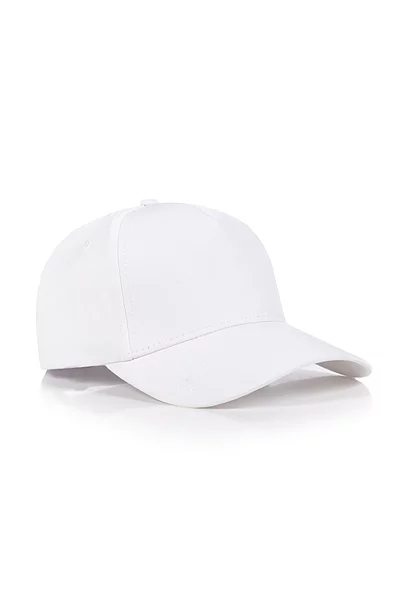
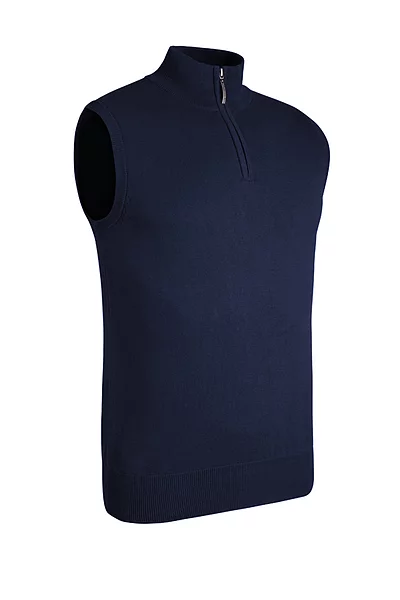
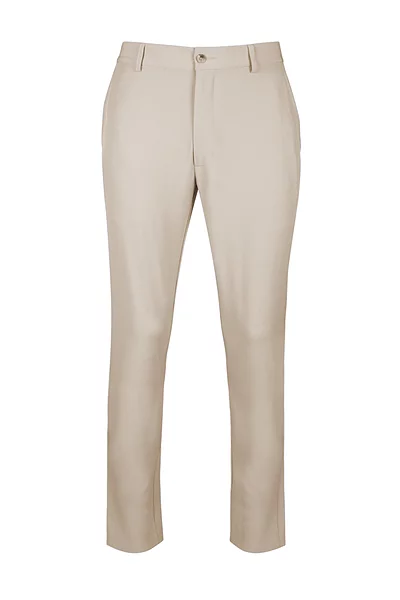
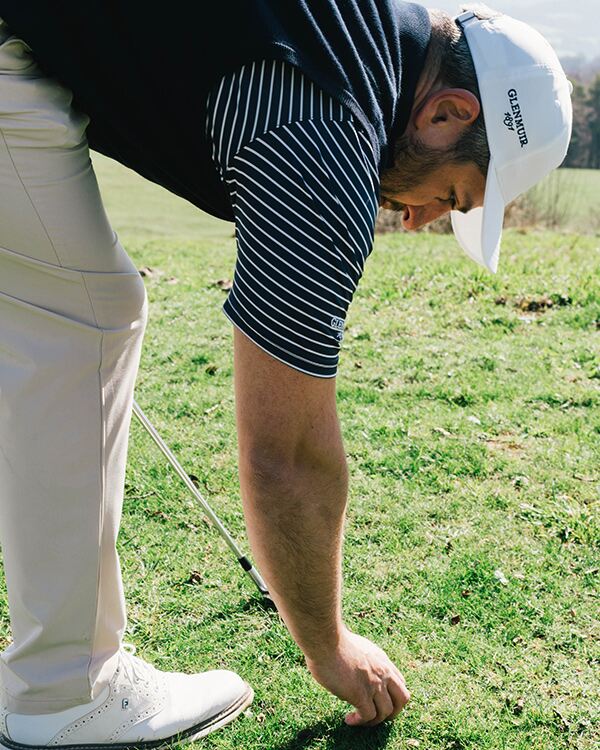
This season, more than ever, the return of classic golfer fits is coming back strong. And by "classic" we do not mean tweed, plus fours and flat caps (although a nod to Harry Hall for keeping that flame alive). This is about the quintessential preppy, country club aesthetic: knitwear, cardigans, roll necks, long-sleeve polos, straight-leg pleated chinos, even visors.
The silhouettes are no longer skin-tight. They are looser but flattering and tailored. Fabrics are no longer shiny polyester sweat sacks. There are mixed textures. Cottons and twills are returning with new technologies woven in. Even shoes are moving to a more traditional look. In recent years, the big footwear brands shifted towards a very technical, sporty feel to avoid looking old-fashioned. But you only have to look at FootJoy Classics dominance in the professional field to realise that you simply cannot beat a classic leather shoe, albeit these days with new last shapes and sole technologies to optimise both comfort and performance.
Colour and print
Colour palette and print pattern obviously play a significant role in completing this look.
Navy remains a timeless choice, simply because it creates a smarter feel and complements almost every skin tone. Naturally it pairs perfectly with neutrals: Linen, Grey, White. Other collegiate colours like Bordeaux and Bottle and Tartan Green will also play a part, particularly as autumn arrives. The more contemporary brands are taking a bit more of a risk and introducing earthy tones: versions of khaki, chocolate brown, rust. Think Adam Scott in UniQlo. Still a clean, tailored aesthetic, but brought into contemporary design. Black is still around, particularly in winter, but should be paired back with neutrals to complete a more considered look.
Prints can be very tricky to get right. The nineties and early 2000s saw some hideous designs that need to remain in the archives for good reason. Think Ian Poulter and egregious argyles. In more recent years, it seemed every brand was launching novelty conversational prints: palm trees, flamingos, you name it. Even Realtree camouflage had a moment last year, with brands like Puma and Manors jumping on the trend effectively.
There is still a place for prints, but done in a limited way, they can be tasteful when paired back with a plain pullover. Think Ralph Lauren, think nineties Nautica styling. Checks and tartans can also play a part here. We will almost certainly see plenty of it at Royal Birkdale for The Open this July. But again, it is about pairing back with plains to complement the overall look.
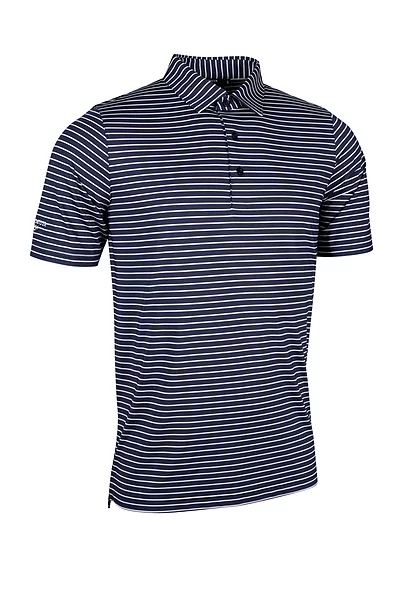
The most prominent player here, though, is striped golf shirts. A classic two or three-colour stripe, paired back with tonal plains, just always hits the spot. Bretons, rugby stripes, or even larger colour-blocking all create this look effectively.
Where Glenmuir fits in
With all that said and done, this is exactly where Glenmuir sits.
Whether you are digging out vintage Glenmuir Ryder Cup treasures or shopping the latest spring collection, Glenmuir nails the classic country club aesthetic without being stuffy about it. And it is worth remembering that they were one of the first to ever do it. Steeped in heritage but advanced through fabric technologies and contemporary silhouettes, it really is a destination brand for any level of golfer to dress well, both on and off the course. Cool without trying? That is just what happens when you have been doing this since 1891.