 2026 Platinum
Table of Contents
- Pace of play and letting groups through
- Carrying your bag
- Dress code for him
- Dress code for her
- The halfway house
- The clubhouse and the nineteenth hole
- The member-for-a-day culture
Scottish golf has a set of unwritten rules that are followed as faithfully as the written ones. Nobody will shout at you for breaking them. But observing them makes the difference between being a welcome guest and the kind of visitor that the members discuss after you have left. And not in a good way.
Pace of play and letting groups through
The most universally valued piece of etiquette in Scotland is pace of play. A round of 18 holes should take no more than four hours for a fourball, and less for a two-ball. If the group behind you is playing faster, let them through. It is not a sign of weakness. It is a sign of good manners. In Scotland, waving a faster group through is expected, and failing to do so is considered worse form than slow play.
This is especially important on busier links courses where the out-and-back routing means groups can see each other across the fairways. Nobody minds a group that is playing at a reasonable pace. Everybody minds a group that is holding up the course and pretending not to notice.
Carrying your bag
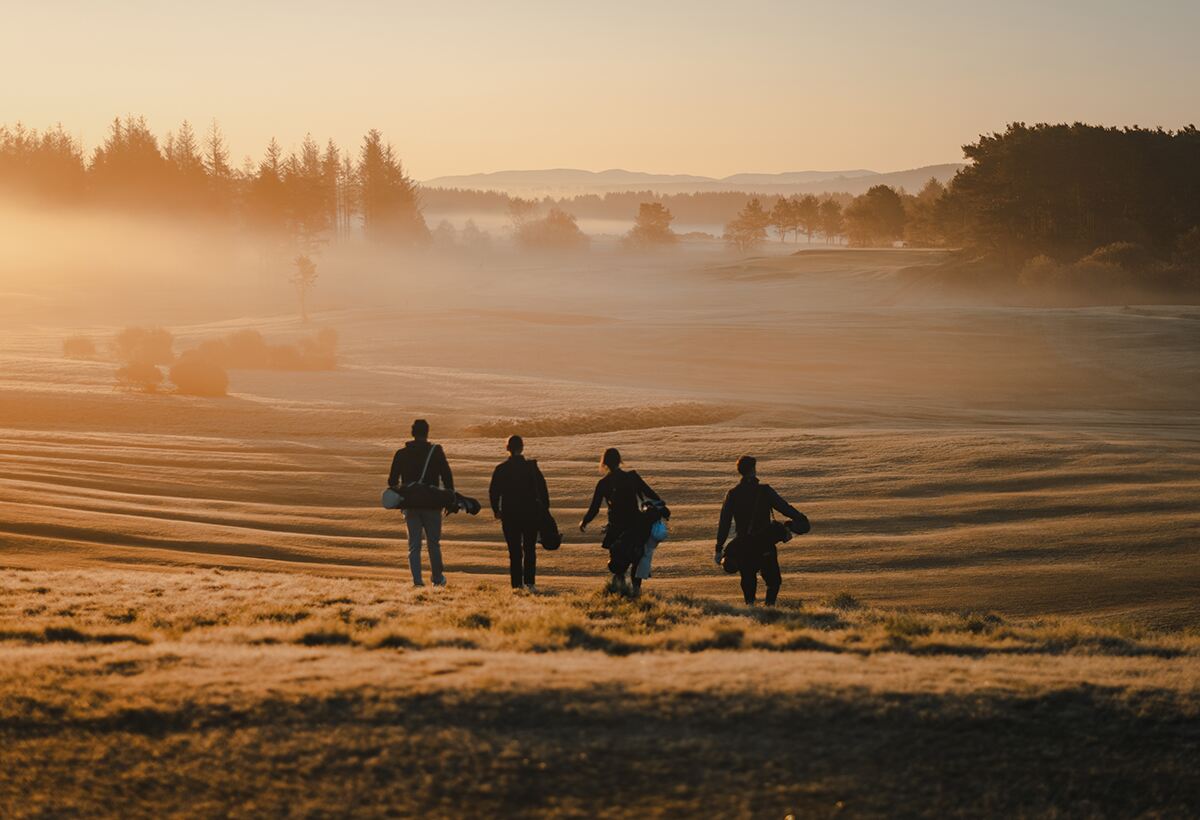
Scotland is a carrying culture. The vast majority of golfers at traditional clubs walk the course and either carry their own bag or use a pull trolley. Buggies exist at resort courses and can be arranged on medical grounds, but requesting a buggy at a members’ club when you are perfectly able to walk can draw a quiet raised eyebrow. It is tradition. Golf was designed as a walking game, and Scottish golfers believe it is best experienced that way.
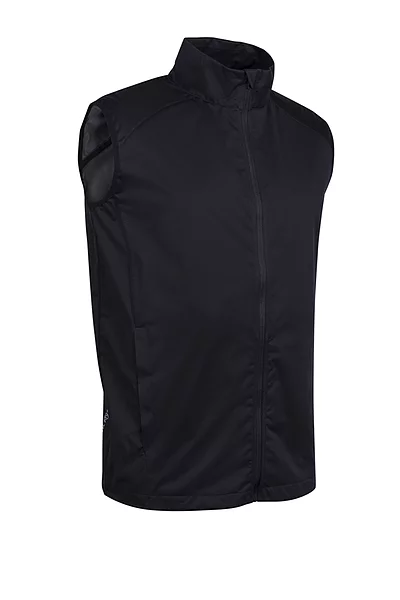
The practical implication is that everything you bring with you, clothing, waterproofs, food, drinks, must fit in your bag and be light enough to carry for four hours. This is one reason why packable, lightweight layers are so important on Scottish courses.
Dress code for him
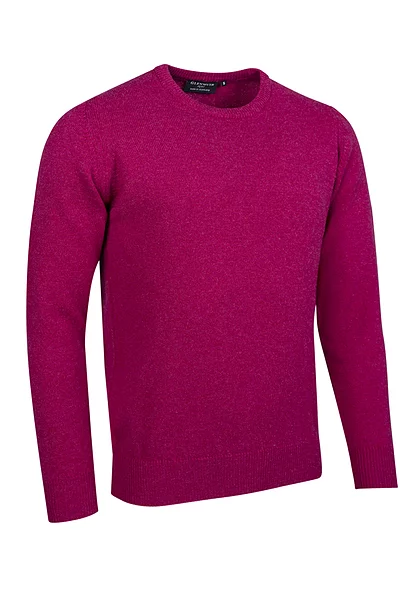
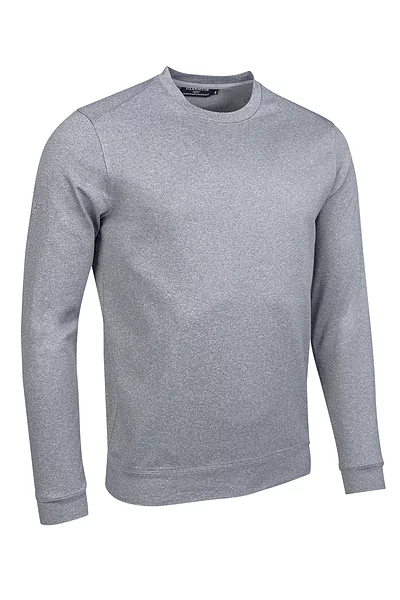
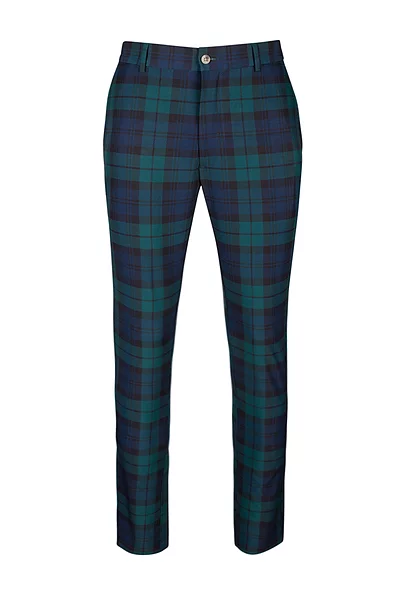
Scottish dress codes vary by club but the general principle is straightforward: look like you have made an effort. A polo shirt with a collar, tailored golf trousers, and golf shoes are the baseline at almost every club. Denim is universally unwelcome. Shorts are increasingly accepted, though some older clubs still require long socks.
The safest approach, and the one that will serve you well at any club in Scotland, is understated, classic dressing. A well-fitted polo shirt, a sweater or midlayer in a solid colour, and tailored trousers will never be wrong. This is the standard that most Scottish club golfers dress to, and it is one that Glenmuir has been making clothing for since 1891.
At more formal clubs, jacket and tie may be required in the clubhouse and dining room after the round. Check in advance. Being turned away from the bar for wearing trainers is an avoidable embarrassment.


Dress code for her
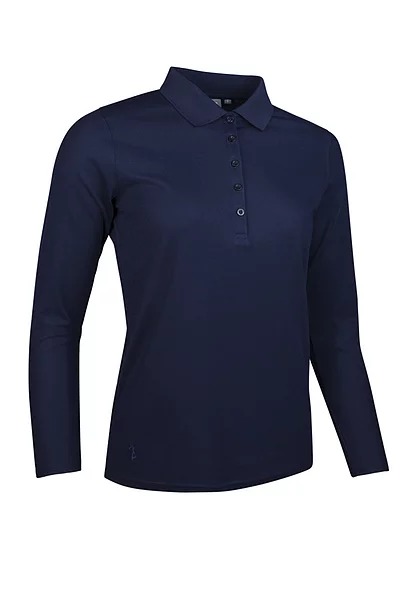
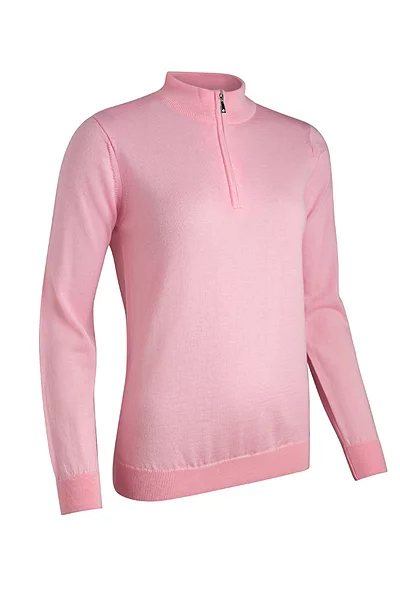
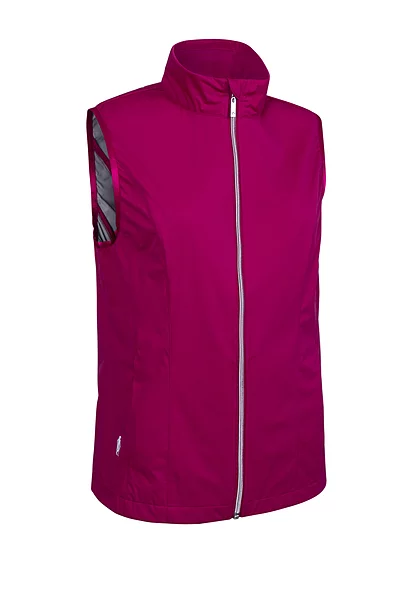
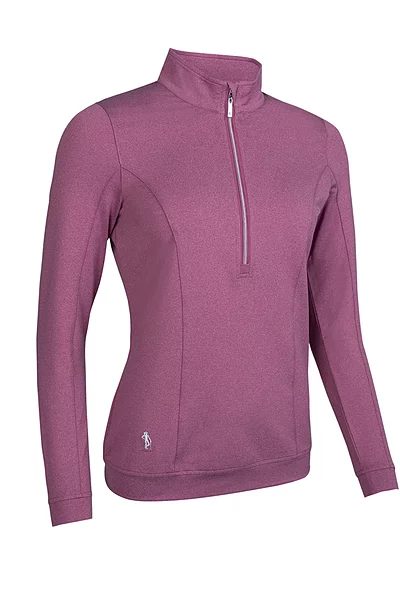
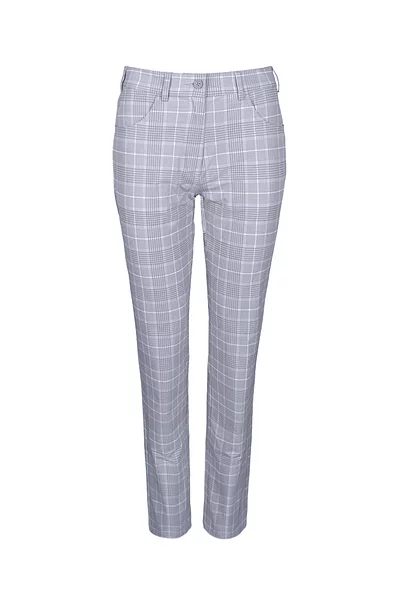
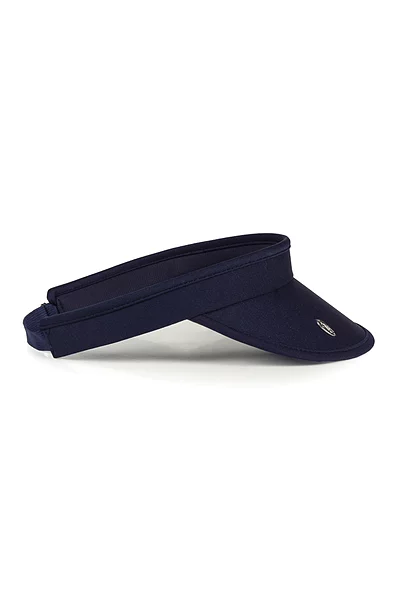
Scottish golf courses don’t tend to have female specific dress codes. A polo shirt or high neck zip top works well, and the usual stretch performance ladies’ trousers are perfect. Some clubs insist if wearing a skort it must not be shorter than a playing card width above the knee.
The halfway house
We have covered halfway house etiquette elsewhere, but the essentials bear repeating: ten minutes maximum, offer to pay if you are a guest, take one helping not six, and do not bring alcohol onto the course if the halfway house is licenced. The halfway house stop is a tradition, not a right. Abuse it and clubs will eventually close them.
The clubhouse and the nineteenth hole
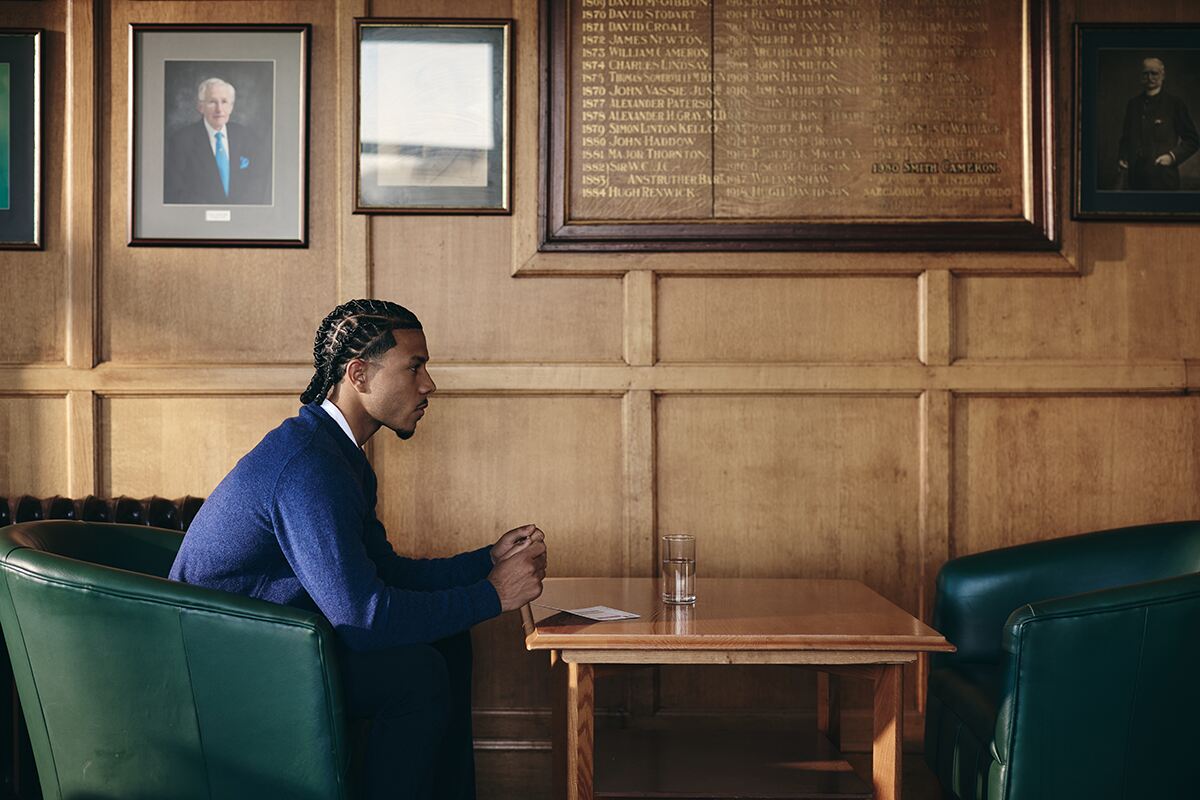
After the round, the clubhouse is where the day is completed. At most Scottish clubs, the custom is to have a drink together, regardless of how the round went. Refusing a drink (even a soft drink) after a round can seem standoffish. The nineteenth hole is part of the game.
Phones should be on silent or, better, left in the locker room. Many clubs prohibit phone use in the clubhouse entirely. No hats indoors. No changing shoes in the car park if there is a locker room available. These are small courtesies that are noticed and appreciated.
The member-for-a-day culture
One of the distinctive features of Scottish golf is the warmth of the welcome at members’ clubs. Many clubs operate an informal ‘member for a day’ culture, where visitors are treated as temporary members for the duration of their visit. This means access to the clubhouse, the locker rooms, and often an invitation to join members for a drink afterwards. It is a generous tradition and one that visitors should honour by dressing appropriately, playing at a reasonable pace, and leaving the course as they found it.