2026 Platinum

Table of Contents
- Getting there
- The welcome
- A burned clubhouse and a chimney on the fourth
- The holes that stay with you
- Take the buggy to the range
- Mist, then the river
- Halfway house from heaven
- Shaq
Getting there
On paper Hudson National sits around 40 miles north of Manhattan in Croton-on-Hudson. In practice, with New York traffic doing what New York traffic does, the journey took us the best part of an hour and a half. We fuelled up the local way, with a bagel. Mine was toasted wholemeal with egg, turkey and avocado, and it did more to shorten the drive than Google maps.
The final approach gives nothing away. The road climbs through an ordinary residential estate, the kind one would pass through without a second look, and then the club opens up in front of you and the whole mood changes. It feels like being dropped into a different world.
 |
 |
The welcome
A warm welcome at bag drop and nobody asked a single question as to who we were, or whom our member was. None of us are members. The clubs came out of the car and were gone, cleaned and loaded before we had found our golf shoes. That sort of welcome is harder to pull off than it looks, and plenty of grand clubs on both sides of the Atlantic never quite manage it.
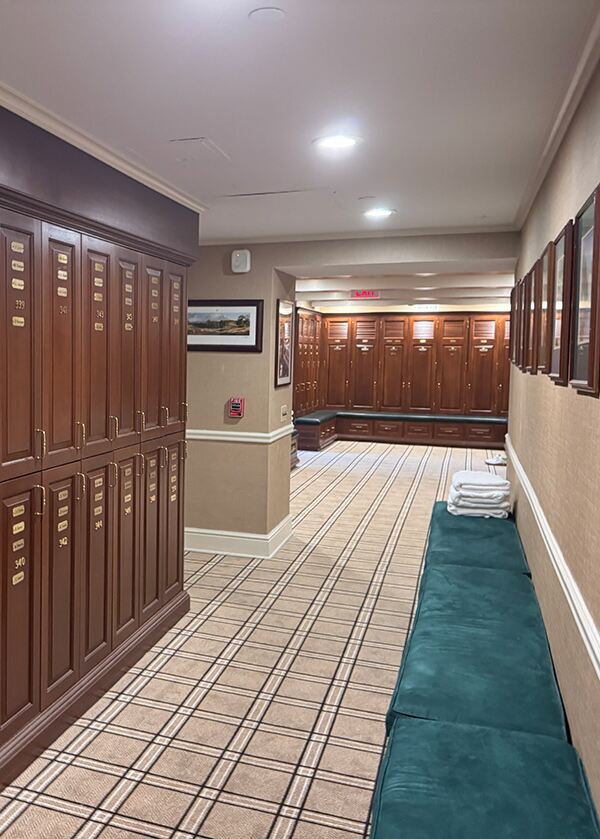
The locker room is wood-panelled and warm, with steam rooms, showers and every small comfort one could want. The attendants showed us to members’ lockers for the day, which is a gesture that stays with a visitor. The walls carry some remarkable memorabilia, none more affecting than a firefighter’s axe connected to the rescue effort at the World Trade Center in September 2001. It is the sort of object that makes one stop talking for a moment.
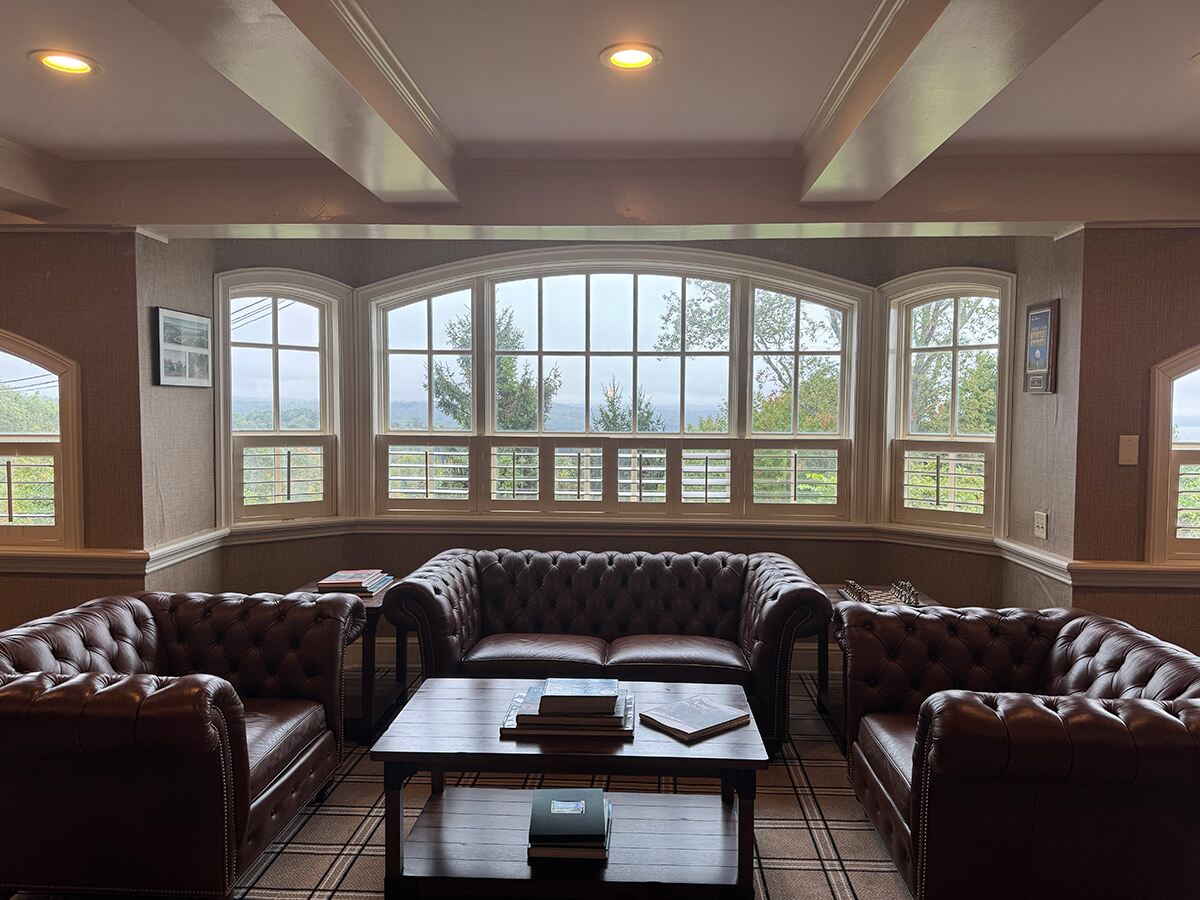
Before heading out, take a seat in the members’ areas. The view across to the river is spectacular, and on a clear morning it is hard to leave. Our host for the day was a good friend, Terry Rowles, the club’s Director of Instruction. Terry is a Cornishman who has taught in America since 2005 and now appears on both Golf Digest’s 50 Best Teachers list and GOLF Magazine’s Top 100. It was good to hear a West Country accent that far up the Hudson.
A burned clubhouse and a chimney on the fourth
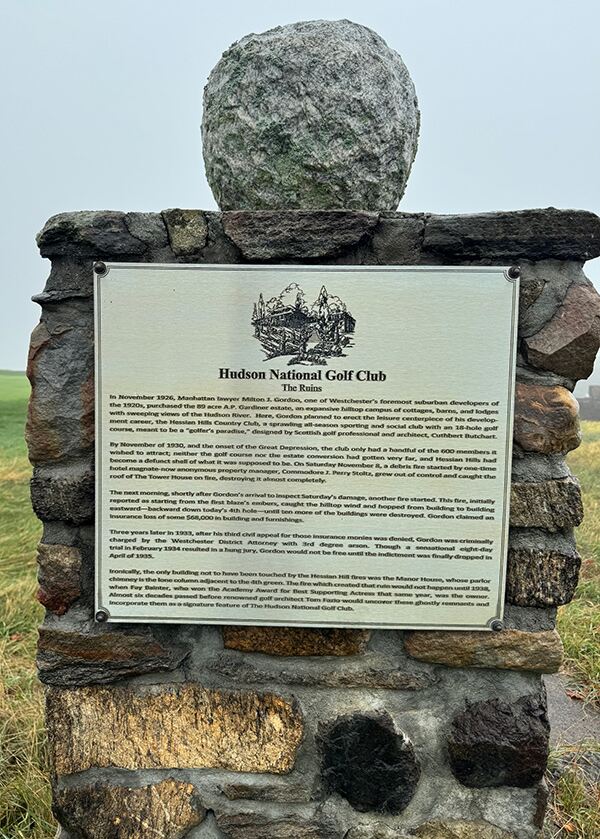
The land has a past. In the late 1920s part of the site was home to Hessian Hills, a nine-hole club whose clubhouse burned down in the early 1930s. The fire landed in the depths of the Depression and brought its owners a very convenient insurance settlement, and the story locally has never been told kindly. The club did not survive long afterwards.
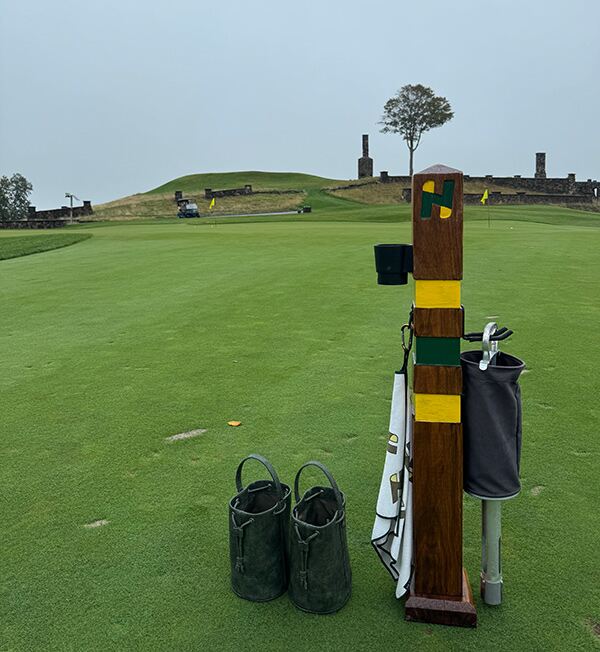
When Fazio arrived in the 1990s he paid little attention to the old routing. His team blasted around 130,000 cubic yards of rock to fit eighteen holes into the terrain, and the course opened in 1996. He did keep one thing. The stone chimney and foundations of the Hessian Hills clubhouse still stand beside the fourth green, and the hole was routed alongside them deliberately, as a reminder of what went before. Pay attention to the beautiful rock walls throughout the property. Pretty, but also useful as a ricochet for your ball.
 |
 |
The holes that stay with you
The fourth
The fourth is a short par 4 and our favourite approach on the course. One plays up towards the old chimney, with the green perched on top of the hill. From the back of that green, on a clear day, the view runs down the river past the Tappan Zee crossing and on towards the Manhattan skyline. Golf Digest’s own panellists single out this spot, and it is easy to see why.
The sixth
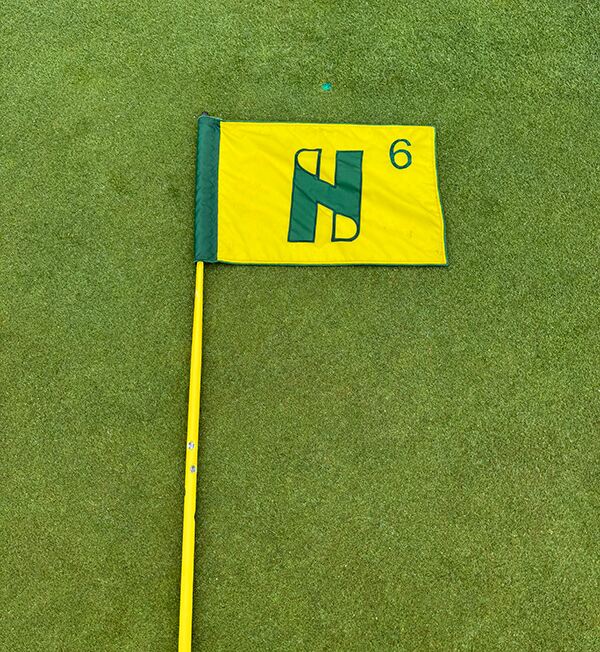
The sixth is a world-class par 5, the longest hole on the course at close to 600 yards from the back tees. The view from the tee is breathtaking, the fairway falling away and then climbing again between bunkers towards a green set up the hill. The Fazio team lengthened the back tee in the recent renovation and added a layup bunker on the left, so the second shot now asks a proper question. Around the green, the shaved slopes on the left let a player bump it, pitch it high or even putt it, which is exactly the sort of choice we enjoy.
Somewhere around here one notices how the course is presented. The fairways are cut beautifully, the semi-rough steps down neatly from them, and beyond that the fescue turns brown and wispy at the edges. The contrast is striking, and it frames every hole. Pass the halfway house, do stop. It is worth it. More on that later.

The thirteenth and fourteenth
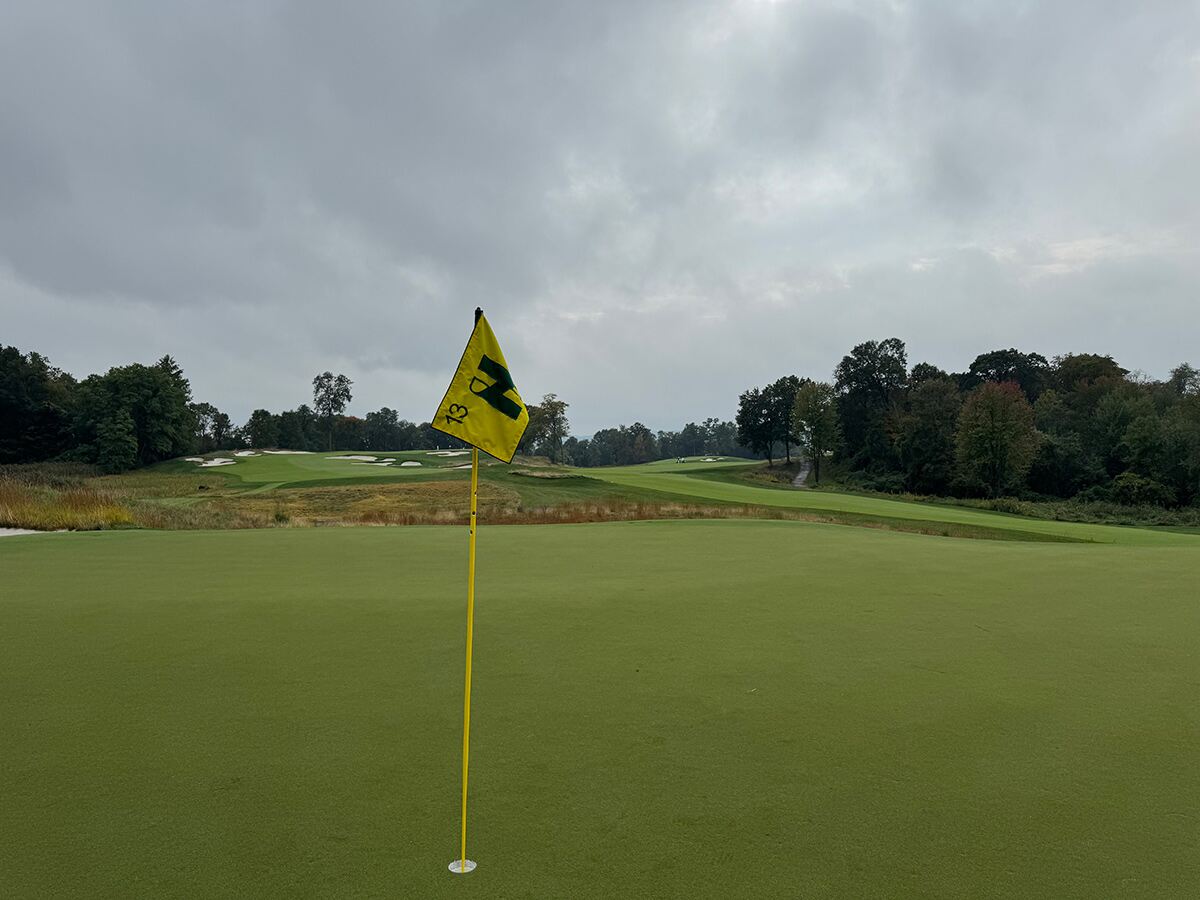
The views open up again around the thirteenth, a par 3, and the fourteenth, a par 4 that doglegs right. The fourteenth once had a split fairway, a legacy of old erosion problems, and it has since been blended into one. The green was pushed back towards the pond, which brings the water properly into play when the flag is at the back.
The sixteenth
The sixteenth is the signature hole, a par 3 of roughly 250 yards from the back tees. It plays downhill from a high tee with the river spread out below, bunkers either side of a generous green and plenty of room short for those who need it. Long and beautiful, and a little intimidating. The closely mown ground now runs from the green straight towards the seventeenth tee, and the whole picture from the tee is one of the finest in American golf.
The eighteenth, for what it is worth, carries a local reputation as the toughest finishing hole in Westchester. Nobody we spoke to argued with that.
Take the buggy to the range
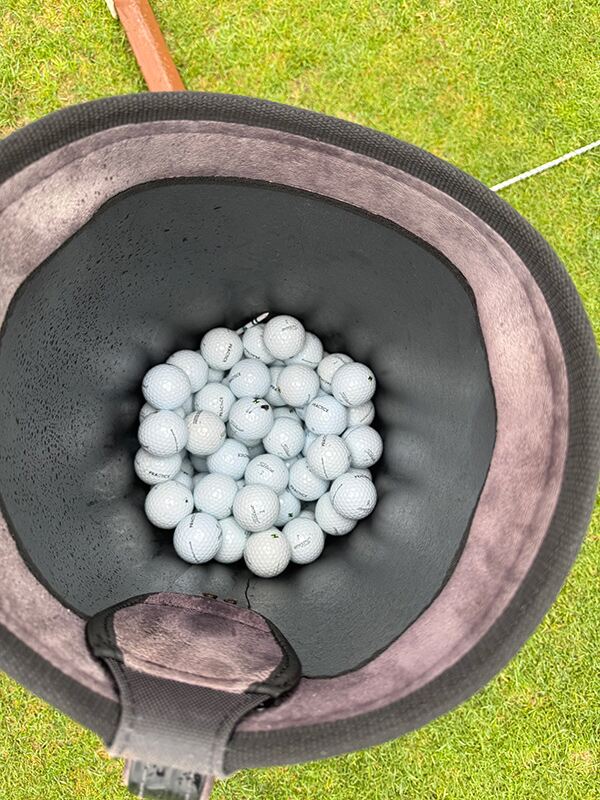
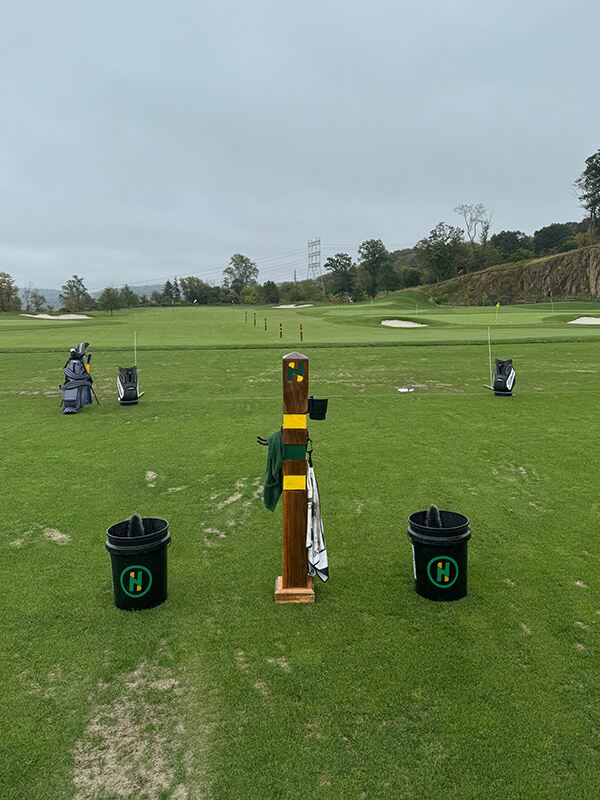
One has to take a buggy out to the practice ground. Please do. Golf Digest ranked Hudson National’s practice facility ninth in the United States in 2025, and the club dynamited terrain for 82 days to build it. The range is split in two halves, with the teeing area moved back a little each day so there is always fresh grass. Posts run down the centre at 10-yard intervals for anyone dialling in their wedges, and two flags at the far end stand 22 yards apart, the width of an average US Open fairway. There are uneven lies to practise from and even a fairway bunker. The balls, naturally, were fresh Pro V1s.
The short game area is a two-minute drive further on and deserves a visit in its own right. The views run all the way down to the Hudson, which makes the chipping considerably more pleasant than it has any right to be.
 |
 |
Mist, then the river
The day began at 10°C in thick mist. We genuinely could not see the flag on the first, and there was a moment on the tee when a warm locker room seemed the more sensible option. We are glad we teed off. By the fourth the mist had burned away, the thermometer had climbed to 18°C and the Hudson River appeared below us as if someone had pulled back a curtain.
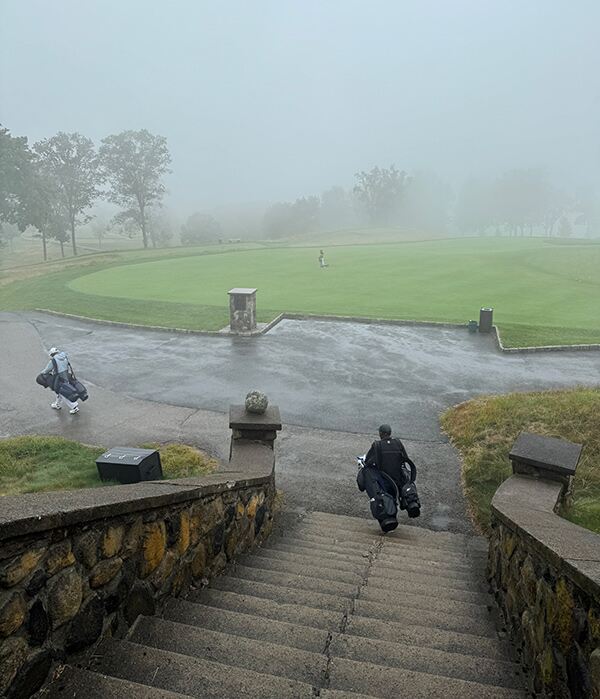 |
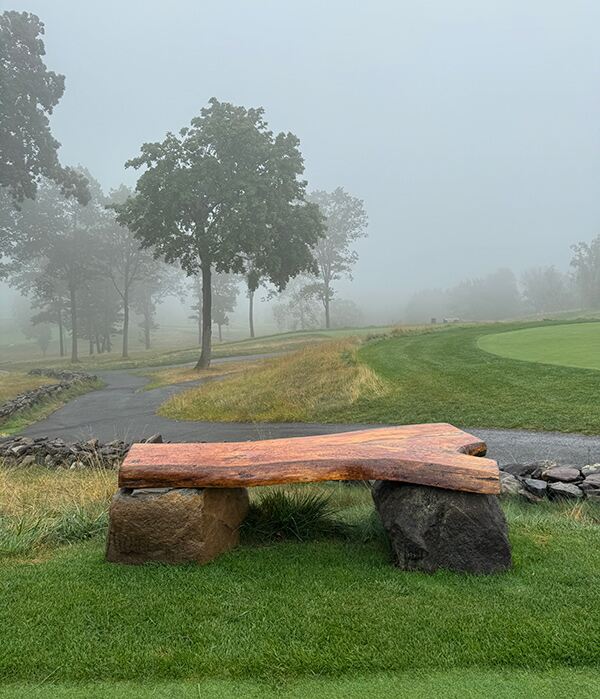 |
A morning like that is the best argument for layering there is. A performance polo, a fine merino quarter zip and a light windproof over the top will see one through the cold opening holes, and each layer comes off as the sun arrives.



For ladies, the same approach works with a performance polo, a merino quarter zip and a lightweight midlayer.
. Our full guide to layering golf clothing covers the principle in more depth.


Halfway house from heaven
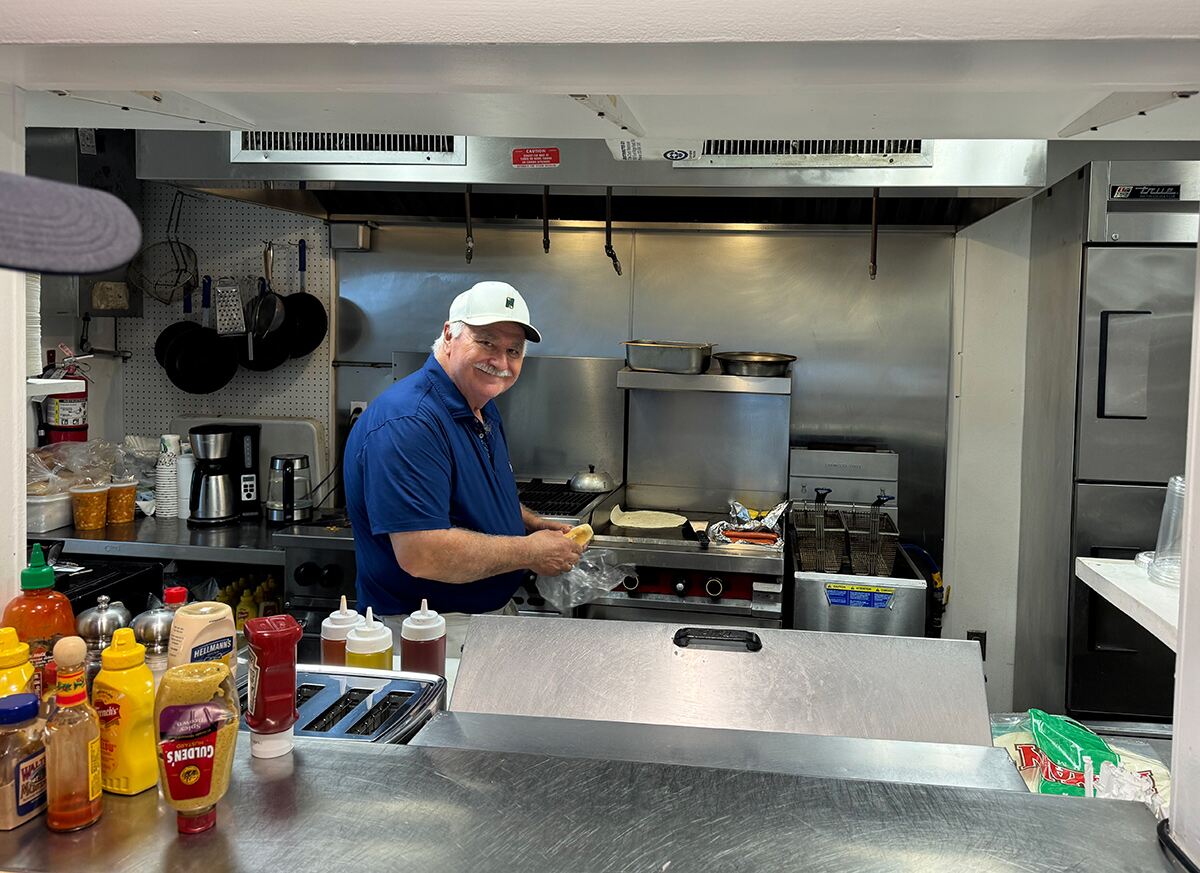
Great golf courses master hospitality, and passing the halfway house more than once is the best welcome a golfer can ask for. You pass it three times at Hudson. Got to try the hot dog, and at least a few of the 30 different protein and energy bars, and crisps, or chips as they call them there. The fresh juices are always on ice, and plenty of liquor to add to the juices if you are that way inclined.
Shaq
Our caddie was Shaq, who carried a double bag, as the caddies here generally do, and kept us right all day. He is a straight talker. Ask him a line and he gives it, ask him a club and he gives that too, and if he thinks you have the wrong idea he says so. On a course with this much movement, where the ball can funnel ten yards away from where it landed, that honesty is worth several shots.
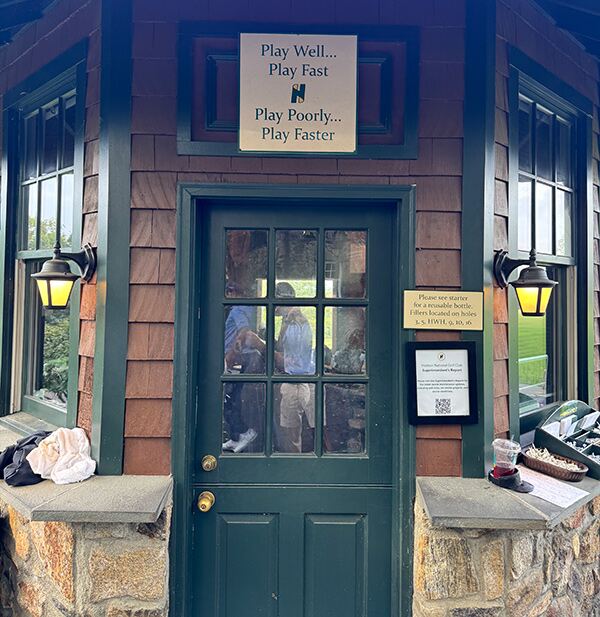
There is a sign at the club that reads ‘Play well, play fast. Play poorly, play faster.’ We managed a little of both.
 |
 |