 2026 Platinum
Table of Contents
- The early tee time problem
- The Five-Layer System
- The morning-to-afternoon transition
- Frequently Asked Questions
The early tee time problem
Anyone who has stood on the first tee at seven in the morning in April knows the dilemma. It is 5°C, the dew is thick on the fairways, and every muscle feels like it belongs in bed. By the 12th hole, the sun is out, the temperature has climbed to 14°C, and every layer that felt essential three hours ago is now suffocating.
This is the challenge that golfers in Britain face for roughly eight months of the year. Not extreme cold, not extreme heat, but a relentless variability that rewards those who dress in layers and punishes those who guess wrong with a single jacket.
Golf was originally a cold-weather game. The first Open Championship was played on 17 October 1860. Summer play was actually banned on some Scottish courses because the land was needed for other uses and the grass grew too long to find a ball. The idea that golf is a fair-weather sport is a modern invention. Scottish golfers have been playing through winter for centuries, and the clothing system they developed, refined over generations of carrying their own bags through coastal wind, remains the smartest approach: multiple thin layers, each doing a specific job, easy to add and remove as conditions change.
The Five-Layer System
1. Base Layer (shirts)
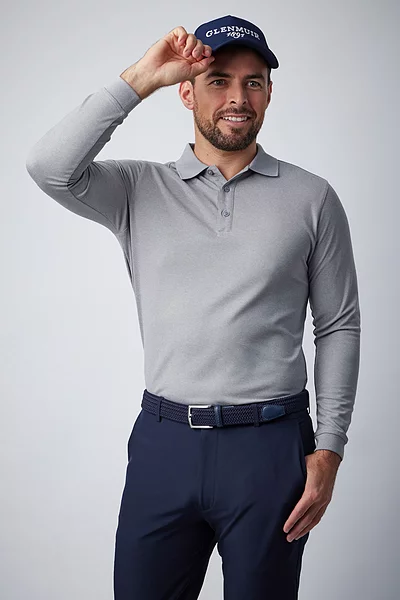
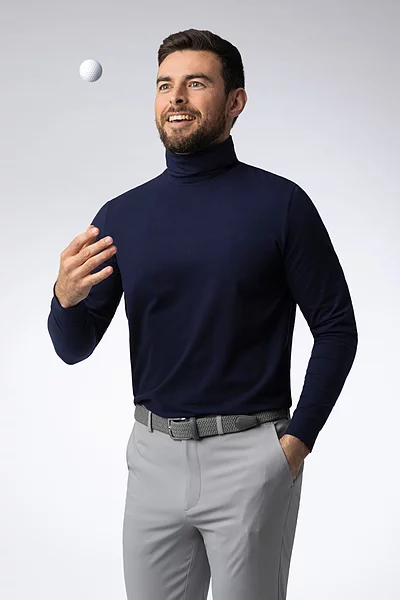
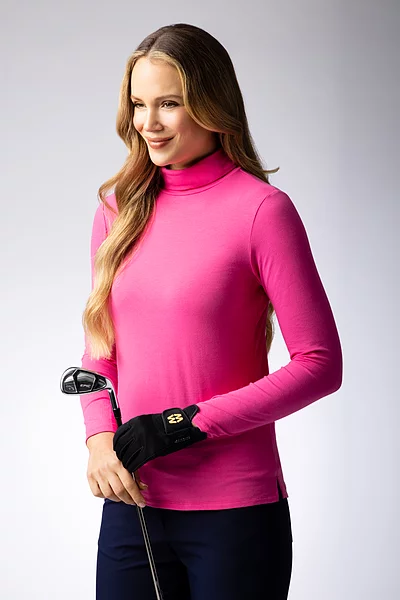
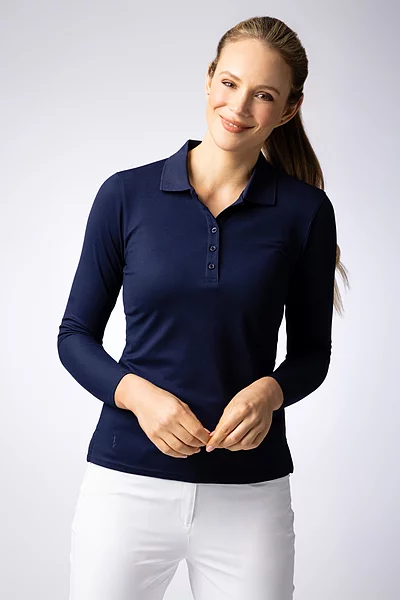
Everything starts here. A long-sleeved shirt keeps the wind off the arms and provides UV protection when the sun appears. The g.Kelso cotton roll neck for men and the g.Fern for ladies are ideal: soft combed cotton with +40 UV protection, sitting flat under a mid-layer without bunching. For those who prefer a collared option, the g.Max long-sleeve pique polo for men and the g.Misha for ladies provide the same coverage in a moisture-wicking performance fabric.
2. Midlayer (knitwear)
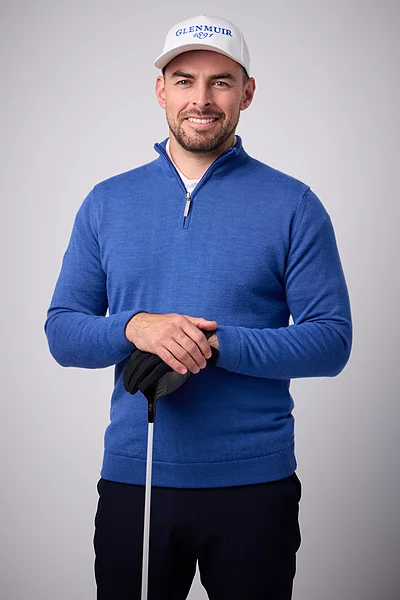
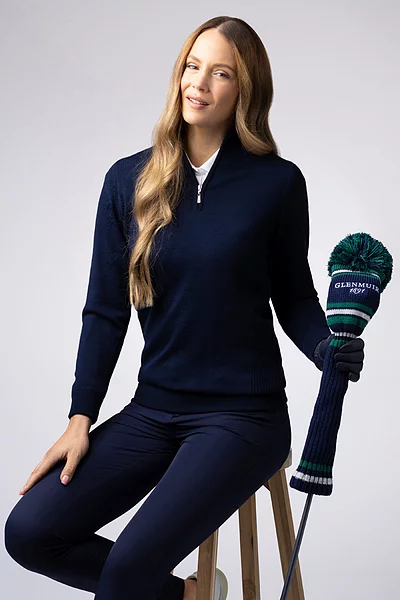
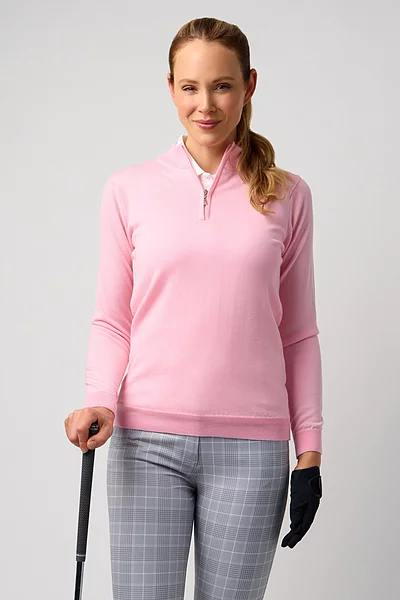
The mid-layer is the one you will add and remove most often during a round. It needs to be warm enough for a breezy first tee, light enough to stuff in the bag when the sun comes out, and slim enough to sit under a waterproof without restricting the swing. A lambswool zip neck like the g.Coll or a merino quarter-zip like the g.Jasper does this perfectly. Natural fibres breathe far better than synthetics in the variable conditions typical of British golf, regulating temperature rather than trapping heat. For ladies, the g.Amira merino zip neck is the equivalent. For days when light rain is possible but a full waterproof feels excessive, a water-repellent lined sweater like the g.Samuel or the g.Penelope bridges the gap between mid-layer and outerwear.


3. Gilet
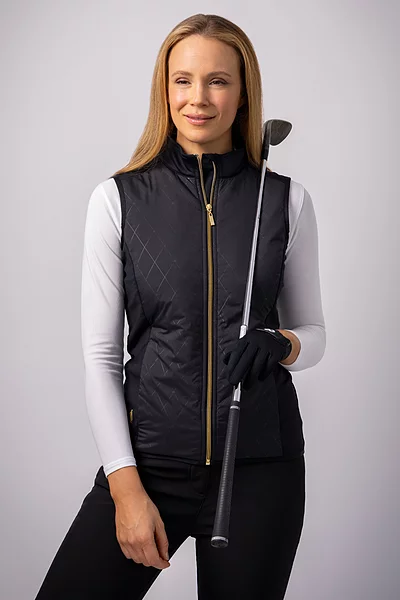
The most underrated piece in the layering system. A gilet provides core warmth while leaving the arms entirely free for the swing. It packs down to almost nothing. On those mornings when the temperature is hovering between needing a jacket and not, a gilet over a mid-layer is the perfect answer. The g.Johnstone and g.Carlton for men, g.Rebecca and g.Calla for ladies.
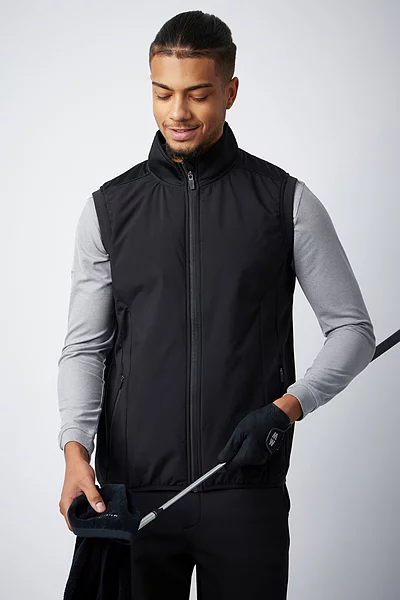
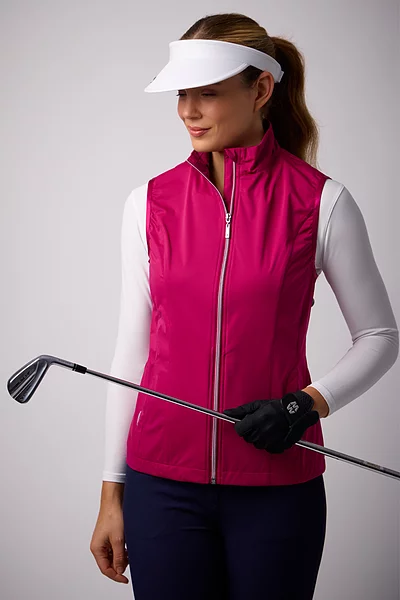

4. Outerwear (jackets)
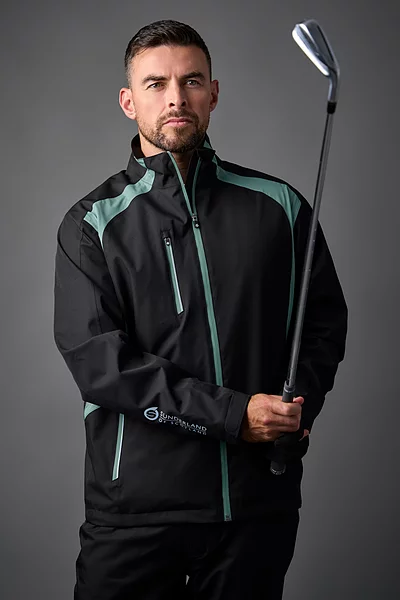
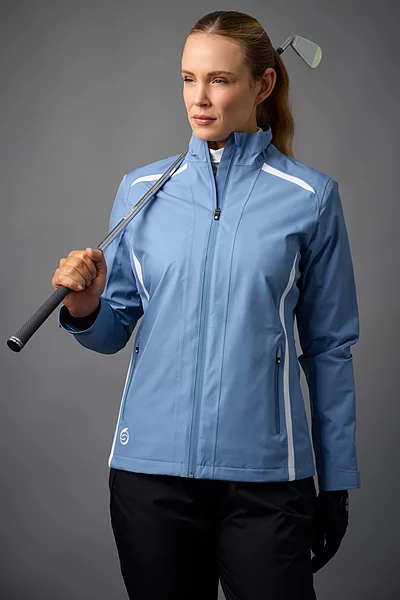
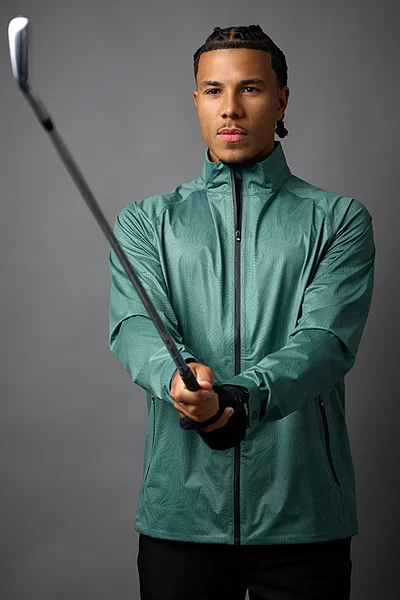
A lightweight waterproof jacket should live permanently in the golf bag. Links weather in particular changes within minutes, and the golfer who leaves the waterproof in the car will regret it by the back nine. For summer, the s.Whisperdry Stealth is barely noticeable in the bag. For autumn and winter, the s.Valberg or s.Typhoon offer heavier protection. All Sunderland waterproofs carry a lifetime waterproof guarantee. For ladies, the s.Killy and s.Whisperdry Whistler cover the same seasonal range.
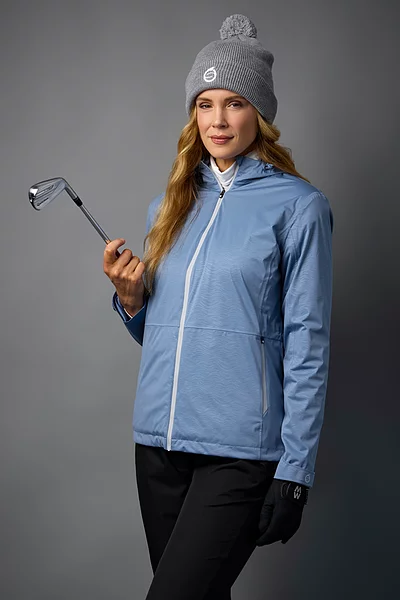
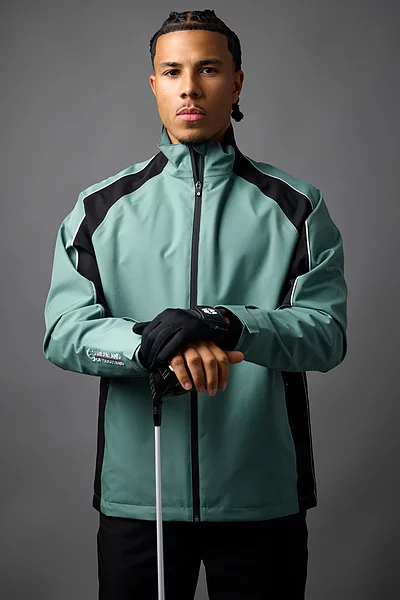
5. Accessories
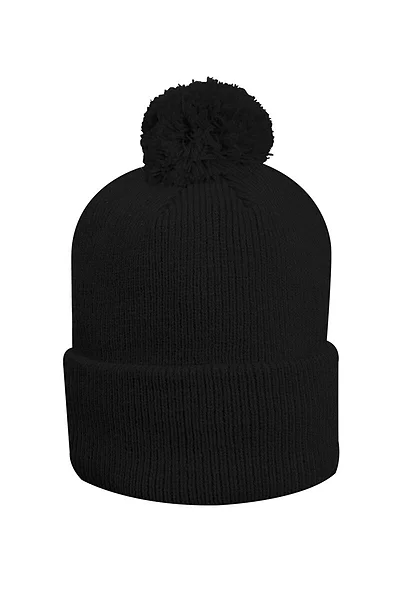
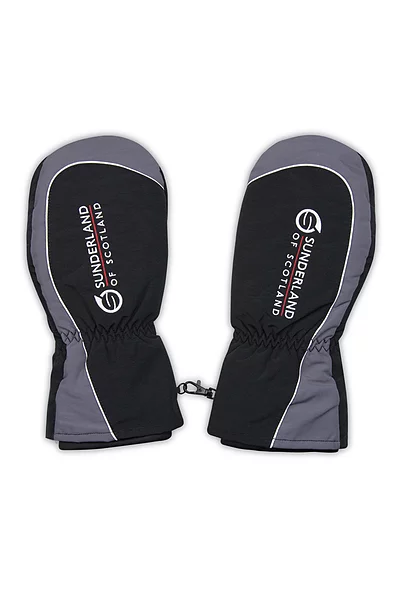
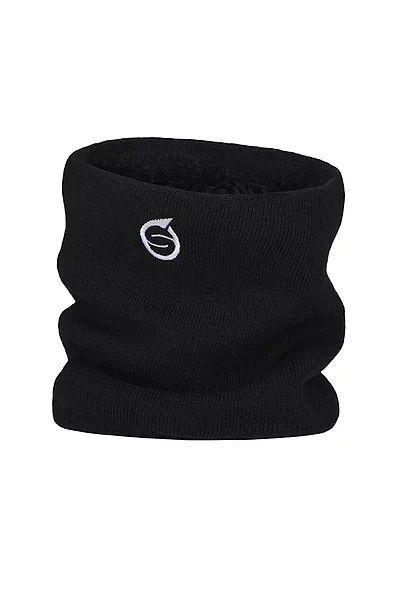
The finishing touches make a disproportionate difference. A g.Malabar thermal beanie keeps wind out of the ears, which protects concentration as much as comfort. The s.Mittens with their Heatweaver lining and hand-warmer pocket keep the grip warm between shots. And the s.Thermal Neck warmer does what a scarf does without getting in the way of the swing.
The morning-to-afternoon transition
The practical trick that experienced golfers use is simple: dress for the coldest point of the round (usually the first three holes), then strip down as you warm up. A base layer, mid-layer and gilet for the opening holes. Mid-layer comes off by the turn if the sun is out. Gilet stays on or comes off depending on wind. The waterproof stays in the bag unless needed. By the back nine, you might be down to just the base layer and gilet. Everything you have removed should be light enough to fit in the golf bag without adding meaningful weight, particularly if you carry, which remains the tradition on most Scottish courses.
For roughly every 5°C drop in temperature, a golf ball travels around two yards less. Factor that into club selection on cold mornings, and do not be surprised if your distances return to normal by the afternoon as conditions warm up.
Frequently Asked QuestionsHow many layers should I wear for golf? The five-layer system (base layer, mid-layer, gilet, outerwear, accessories) provides maximum flexibility. Not all five are worn simultaneously. The idea is to have each available so you can add or remove layers as conditions change during a round. On a mild spring morning, a base layer and mid-layer may be sufficient, with the gilet and waterproof in the bag as insurance. What is the best base layer for golf? A long-sleeved polo shirt or cotton roll neck in a moisture-wicking fabric works best. Look for +40 UV protection, which is useful even on overcast days. The base layer should sit flat against the skin without bunching when a mid-layer or sweater is worn over the top. Natural fibres like combed cotton breathe well and regulate temperature across changing conditions. Should I carry a waterproof even when it is not forecast to rain? Yes, particularly on links courses and during spring and autumn rounds. British weather changes rapidly, and a lightweight packable waterproof adds negligible weight to the bag. Modern golf waterproofs from Sunderland of Scotland weigh very little and compress into a pocket or bag compartment. The alternative is being caught in a downpour with no protection, which will affect both comfort and performance for the remainder of the round. Why do natural fibres work better than synthetics for golf layering? Natural fibres such as merino wool and lambswool regulate temperature naturally, warming you when it is cold and breathing when it warms up. Synthetic fabrics tend to trap heat and can feel clammy during transitions between cold and warm conditions. Natural fibres also resist odour better over long rounds and maintain their shape and feel across many seasons of wear, making them a better long-term investment. How do I stop layers restricting my golf swing? Choose layers with 4-way stretch or a generous cut through the shoulders. Remove any layer that feels tight across the back at the top of the backswing. The gilet is particularly useful because it provides core warmth while leaving the arms completely free. When wearing a waterproof jacket, ensure it has stretch panels and is sized to accommodate your mid-layer underneath without pulling. What should I wear for an early morning tee time? Start with a long-sleeved base layer (roll neck or long-sleeve polo), add a merino or lambswool mid-layer, and wear a gilet over the top. Keep the waterproof in the bag. Thermal accessories (beanie, mittens, neck warmer) make a significant difference in the first few holes before your body warms up from walking. Plan to remove the mid-layer or gilet by mid-round as the temperature rises. |