 2026 Platinum
Table of Contents
- A course built for war
- The wind, and what it does to the round
- Chad, and the case for a good caddie
- Playing the round
- The bunkers, and how to read them
- The last four holes
- The halfway house
- A small note on plastic
- Beyond the Ocean Course
- What to wear
A course built for war
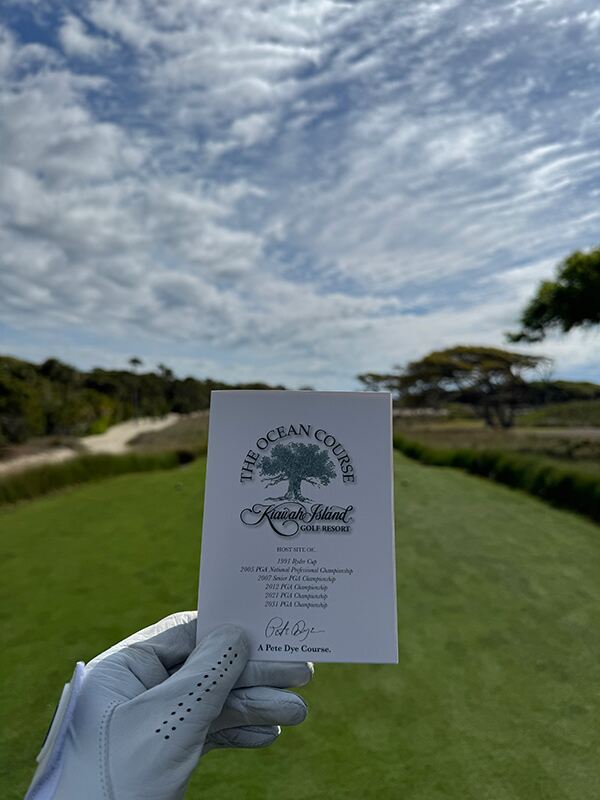
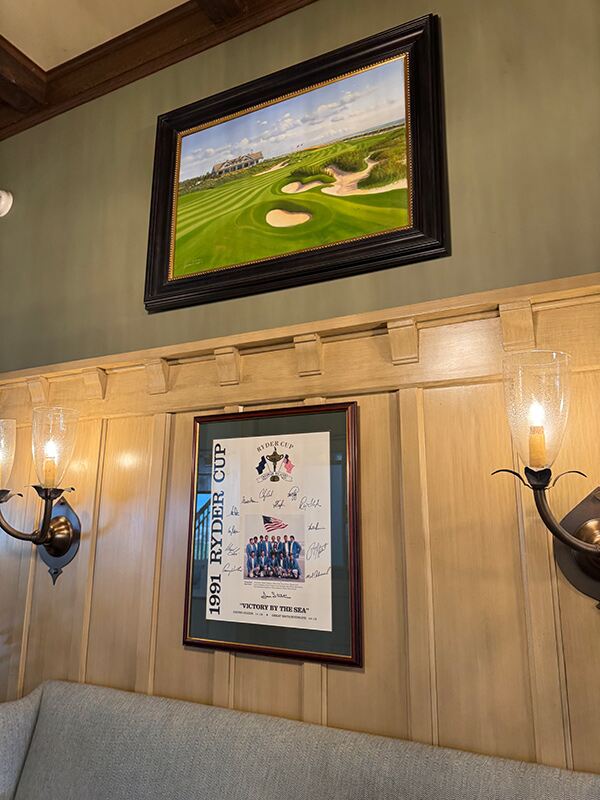
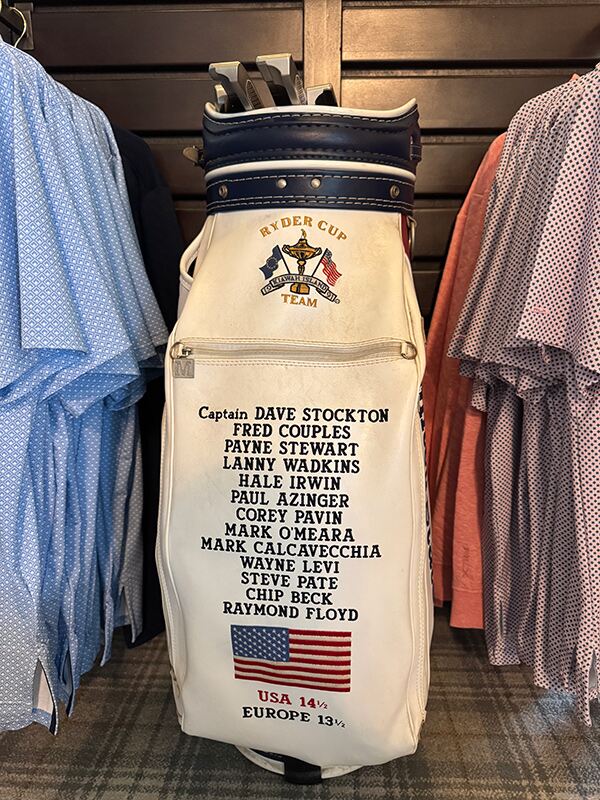
The Ocean Course at Kiawah Island opened in November 1991, six weeks before the Ryder Cup arrived. Pete and Alice Dye designed it specifically for that match, the only championship course in America purpose-built for the event. The week became known as the War on the Shore, the United States winning by a single point with Bernhard Langer’s missed putt on the eighteenth still one of the most replayed moments in match-play golf.
The course has since hosted the 2007 Senior PGA, the 2012 PGA Championship (won by Rory McIlroy by a record eight strokes), and the 2021 PGA (won by Phil Mickelson at 50, the oldest major champion in history). The 2029 Junior PGA Championships will be played here. In May 2031, the PGA Championship returns for a third time, making the Ocean Course only the ninth venue ever to host three or more PGAs. For a course that opened only thirty-five years ago, that is some company to keep.
Standing on the first tee, none of that history quite prepares you for the wind.
The wind, and what it does to the round
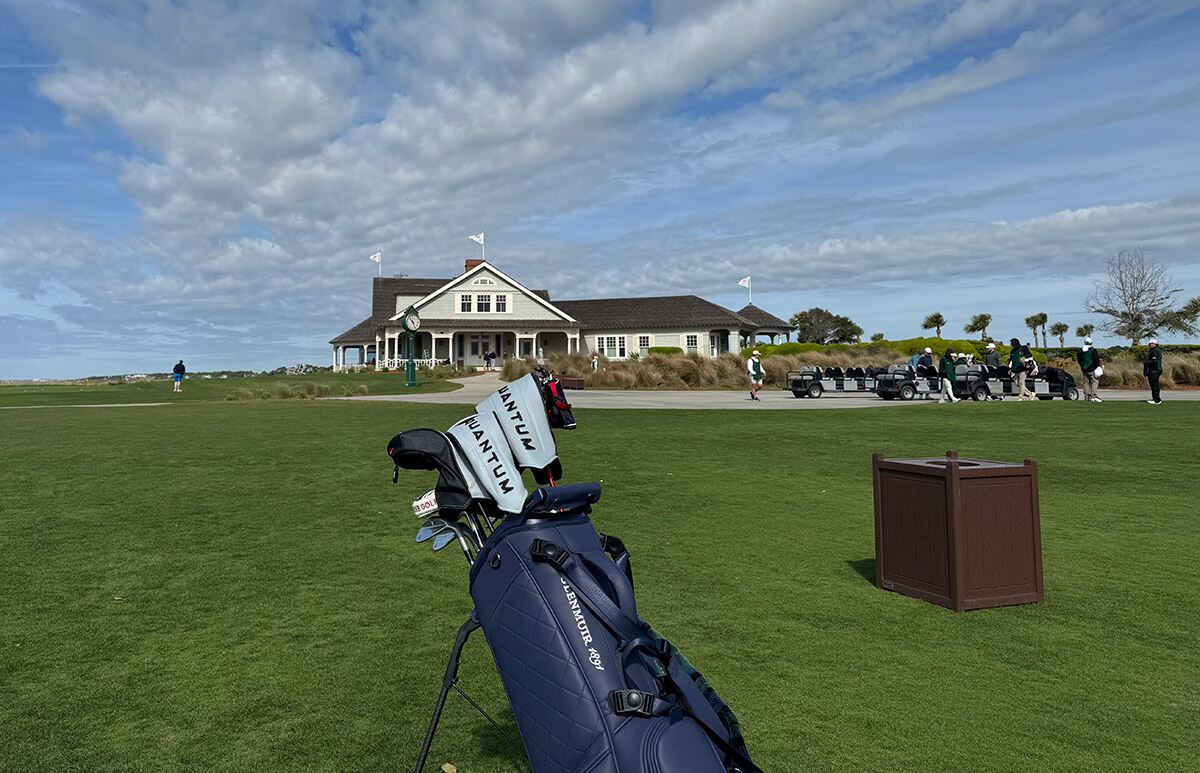
Kiawah carries the highest USGA course rating in America: 79.1 from the championship tees, with a slope rating of 155. From the back, the scorecard reads 7,876 yards. From the silver tees we played, 6,475. On a still day those are honest numbers. The day I played, the wind picked up steadily from the moment we reached the range, eventually settling at around 30mph by the back nine. Hats came off. Bags fell over on the practice ground. Pete Dye himself reckoned the wind here can produce an eight-club difference on the same hole from one round to the next. After a few holes you stop disbelieving that figure.
There is a useful piece of local knowledge worth carrying with you. The scorecard lists yardages as the crow flies, links style. Into a 30mph breeze you can add three hundred yards across a round before you have hit a shot. Carnoustie does the same thing. The yardage you see is not the yardage you play.
The other detail that takes some adjustment is that the entire course is regarded as a single waste area. You can ground the club anywhere, including in the greenside bunkers. There is also no out of bounds at any point. Both of those rules are unusual at this level of course and both are worth knowing on the first tee, because they change how you stand to an awkward lie in sand and they change what you risk on a tight tee shot.
Chad, and the case for a good caddie
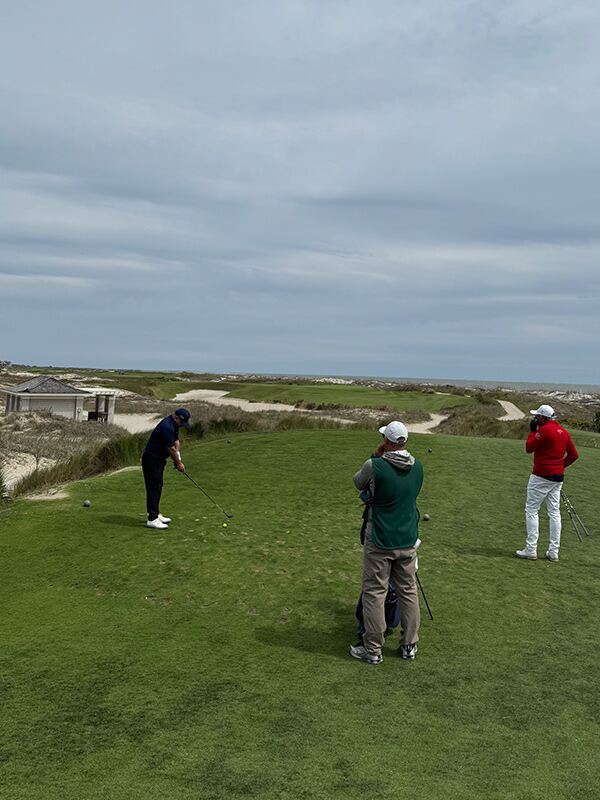
Our caddie was Chad M, who has done 1,250 loops of the Ocean Course. He was excellent. Knowledgeable, calm, and quick to read what kind of day a player was having. The famous caddie at Kiawah, the one everyone asks for, is called Puddle. We did not get Puddle, but Chad was a reminder that a good caddie can make or break a round at a course like this regardless of how you are playing.
Met a lovely couple on the range and again on the front nine who turned out to be from Thankerton, the village a few miles from Lanark where Glenmuir has been based since 1891. Of all the places in the world to bump into Scottish neighbours, it had to be a barrier island off the South Carolina coast. Always nice and friendly Scottish people no matter where you find them.
 |
 |
Playing the round
We played from the original Dye tees, the silvers, a setup of around 6,475 yards. The green fee on the day was 670 US dollars, which is not insubstantial but in the bracket of the world’s great public courses it is in line with Pebble Beach, Bandon and the rest. You are paying for the course and the history.
The opening holes ease you in. The second is a par five that earns its place as one of the standout holes on the course. The play is to plot your way, lay up before the water on the second shot, and accept that par here is a good score. The ninth, a long par four into the prevailing wind, is the other one I marked on my card. Holes twelve and thirteen are back-to-back par fours that look gentle on paper and play anything but. By the time you reach the fourteenth you have already used most of your concentration for the day, and the real test is only starting.
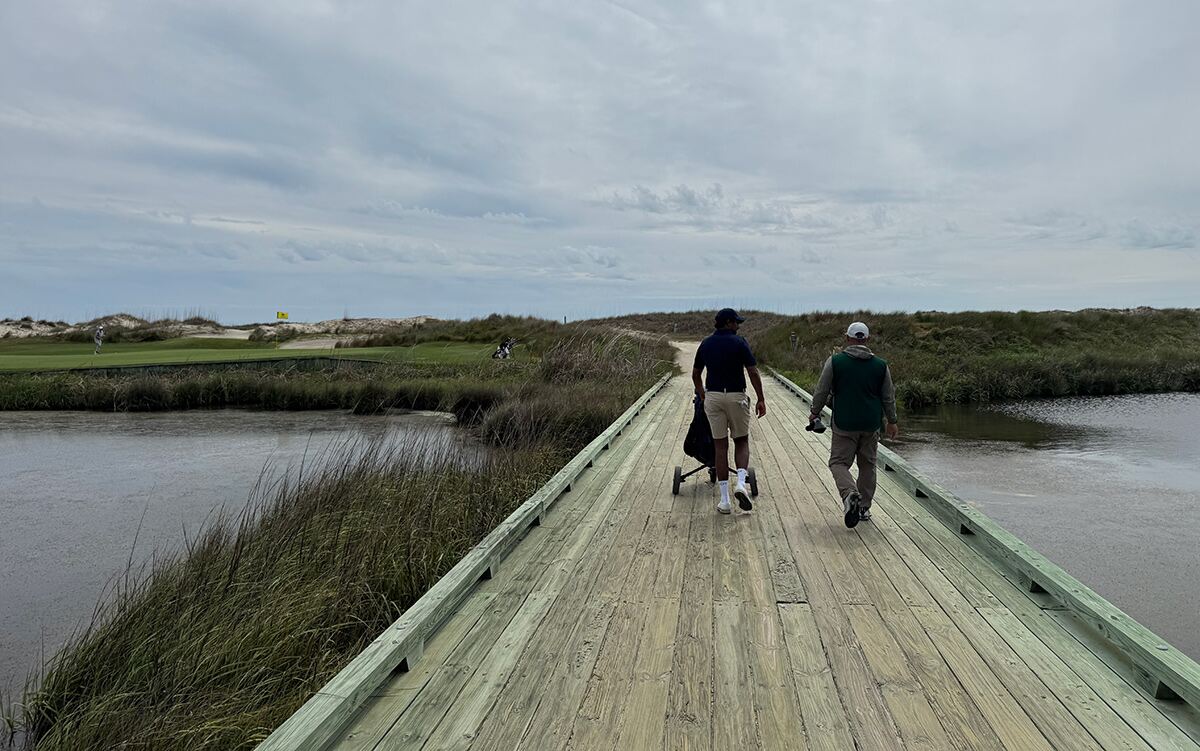
Around two hundred and ten rounds were played on the day we went out, which gives you a sense of the pace. We walked it comfortably in four hours and ten minutes. Green to next tee is not far at any point, and the routing flows naturally between the ocean and the marsh.
The bunkers, and how to read them
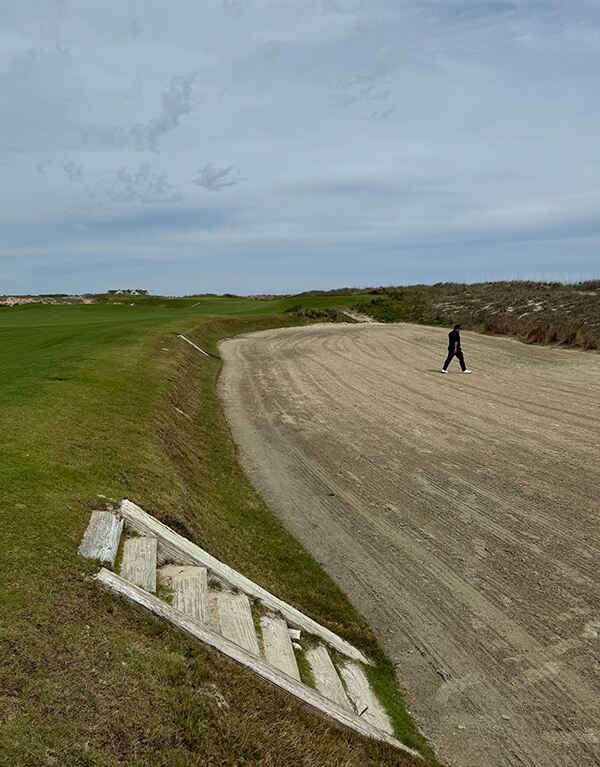
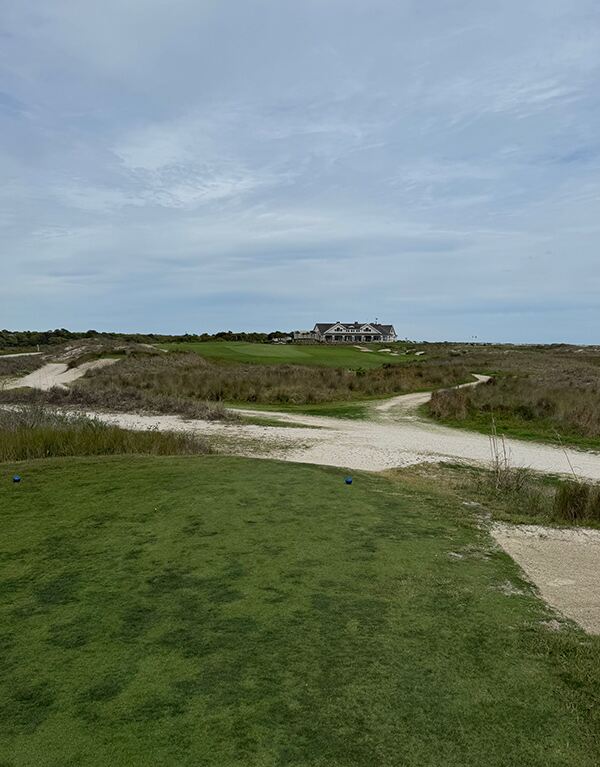
Because everything is waste area, the bunkers vary considerably across the course. Some have a great deal of top sand blown across from the beach, soft and forgiving. Others, particularly the ones further inland, are firmer and more muddy underneath. The technique changes depending on which you find.
In the fairway bunkers, generally keep the face square. The ball will come out clean if you make decent contact. In greenside bunkers with the deep top sand, the standard splash shot works. In the firmer ones, close the face down a touch and resist the temptation to expose the bounce, because it will skid off the firm base. Practice swings are allowed in any bunker, which is unusual and a real advantage. Take one. You can feel what the sand is going to do before you commit to the real shot. At a major they play the bunkers firm and consistent. As a visitor you get the full range.
 |
 |
Around the greens, the run-offs are tightly mown and the bounces are anything but predictable. Within five feet, my caddie’s advice was to hit it straight at the hole and firm enough that the wind does not move it. That is good advice anywhere on the course.
The last four holes
The closing stretch at Kiawah, the fourteenth through to the eighteenth, plays directly into the prevailing wind. The general line is to stay right, keep the ball low, and accept bogey as a respectable number on most of them. The seventeenth is the signature hole, a par three over water with deep waste areas to the left and a small green that punishes any indecision. Anyone who watched the 2021 PGA will remember Phil Mickelson making the par he needed on this hole on the way to winning.
If you want one photograph from the round, take it from the back tees on the fourteenth. The view down the closing run, with the Atlantic to your left and the sun lower in the sky than you expect, is the image people associate with Kiawah.
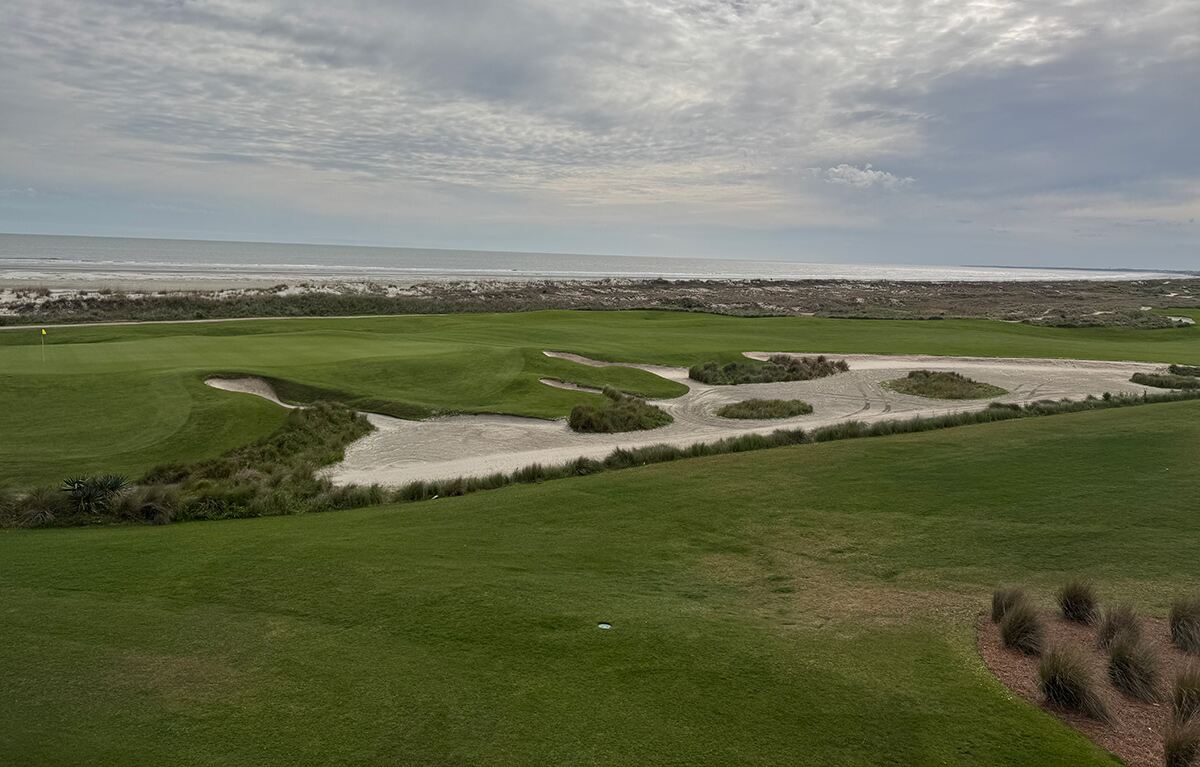
The finish reminds me of Carnoustie. Same brutal stretch, same wind in your face, same feeling that the round is being decided by the last hour rather than the first three. The slope rating, frankly, should be higher when the wind blows. There is no formal mechanism for that, but anyone who has played the closing four into a stiff breeze will tell you the card understates it.
The halfway house
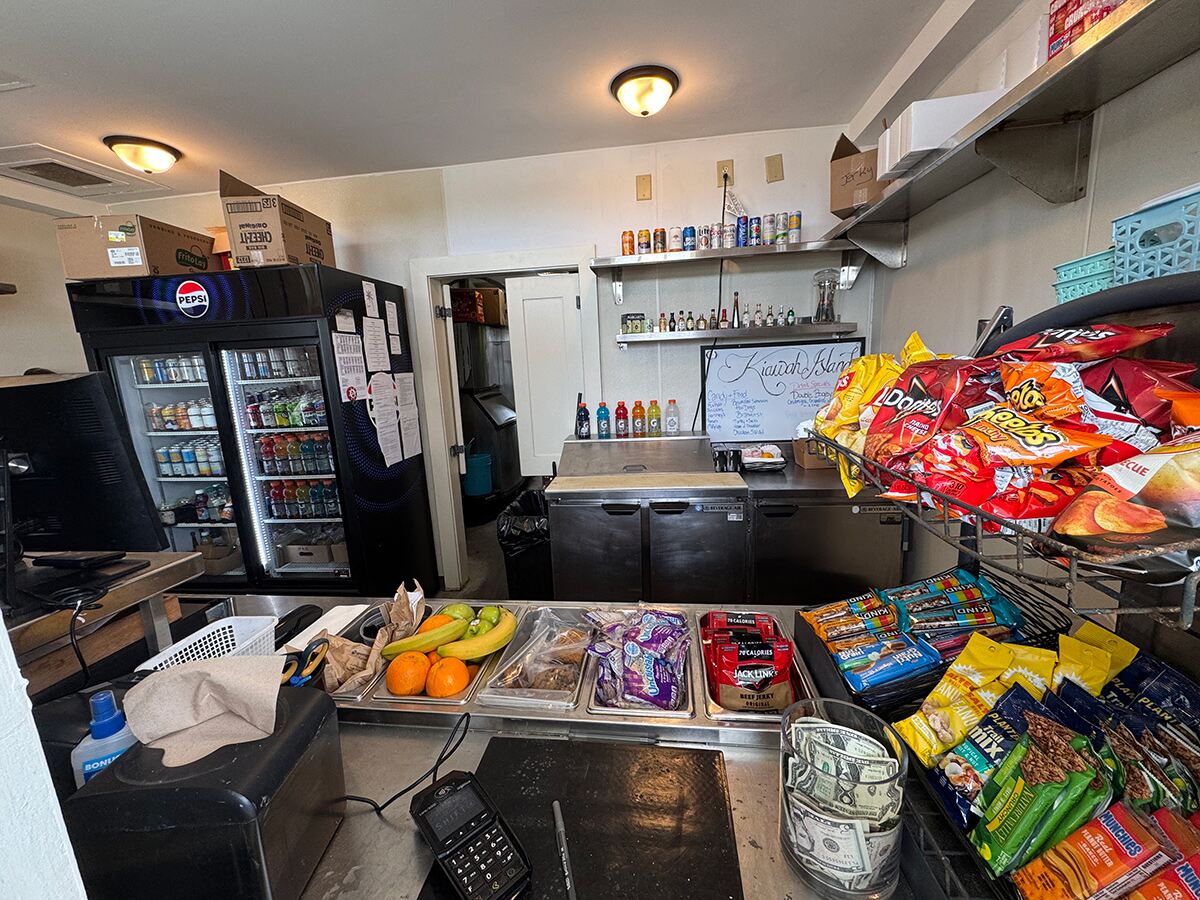
The chicken salad sandwich at the halfway house is excellent. Trail mix is the other thing worth picking up. The drink of choice on the course is the Double Bogey, which does not need much explanation. A small detail I liked: they give you a little paper tray to carry the sandwich, which makes it much easier when you are putting it down on a windy day. Just make sure it does not blow away once you have eaten it.
A small note on plastic
The water stations every three holes are large coolers stocked with iced plastic bottles. Same at Turtle Point and same at Harbour Town in Hilton Head. It is generous and it works, but on a hot day a foursome can go through a dozen bottles in a round. From a sustainability point of view, even simpler would help. Give every player a branded refillable bottle at the first tee, then place big shaded barrels of filtered water on the course at the same intervals. They do this at most courses now in Europe and the Middle East and it works well. No pipework needed, just refill the barrels. Worth a thought from somebody at the resort because the volume of plastic across five courses in a season must be considerable.
Beyond the Ocean Course
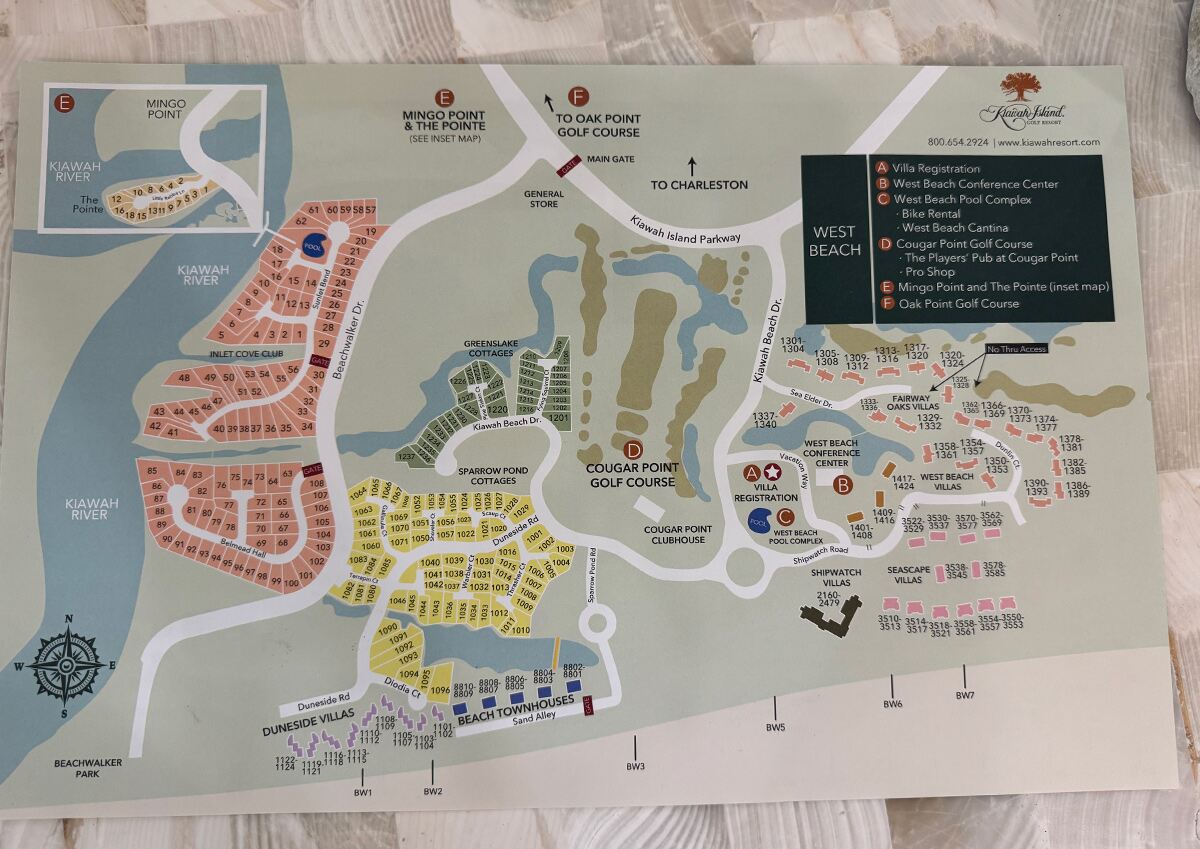
Kiawah Island Golf Resort has five championship courses (the Ocean, Turtle Point, Osprey Point, Cougar Point and Oak Point) and a sixth, Orange Grove, in development. Cassique, on the neighbouring estate, is a member-only course and reportedly immaculate. Turtle Point, the Jack Nicklaus design, is also excellent and worth playing. The three Atlantic Oceanfront holes 14, 15 and 16, two par threes sandwiching a difficult par four, are spectacular and are worth playing the course just to experience these. Osprey Point, a Tom Fazio design, is the one most regular visitors recommend if you cannot get on the Ocean.
The Sanctuary Hotel is the main accommodation and the social heart of the resort. Triple Forbes Five Star and AAA Five Diamond, with 255 rooms, every detail pointed at the same purpose. The championship putting green outside has kids putting while their parents have a drink, which is the best kind of golf and country club atmosphere. The Ryder Cup Bar is worth a stop for sundown. The Guinness is acceptable rather than great, which is what you would expect this far from Ireland. They do not serve it in the right glass either.
Walking down the tenth on the Ocean Course, the houses on the right belong to Tiger Woods, Phil Knight and Brooks Koepka among others. Prices range from six to thirty million US dollars. The local legend is that Phil Mickelson once hit a wedge from the 10th tee into the hot tub of Tiger’s house. Whether or not the story is exactly true, it is exactly the kind of story you want it to be. The state income tax in South Carolina is low and reducing, which is part of why the island attracts the hedge-fund crowd. The harder number is insurance: hurricane and flood exposure makes annual home insurance run between 250,000 and 300,000 US dollars for the larger properties. Storms have taken out parts of the island in living memory.
One small observation, professional rather than personal. Each of the five courses has its own pro shop, but the merchandise across all of them carries the same logo with the course name on the flag changing. Cabot in Nova Scotia takes the opposite approach, with a separate visual identity for Cabot Cliffs and Cabot Links so each course has its own story to tell through its merchandise. The Kiawah approach has its own logic. Just an observation from someone whose day job is putting logos on golf clothing.
 |
 |
What to wear
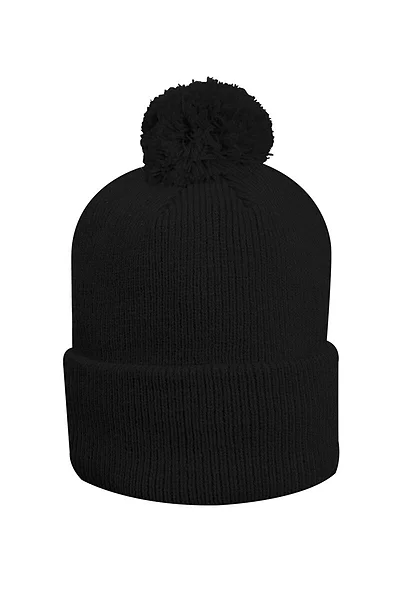
Kiawah in late spring and through summer is hot, sunny, and consistently windy. The wind is the variable that needs the most thought. What started for me as a generous 20 degrees became a killer wind by the back nine that had me digging into the bag for a beanie hat on the 16th tee. In May. In South Carolina.
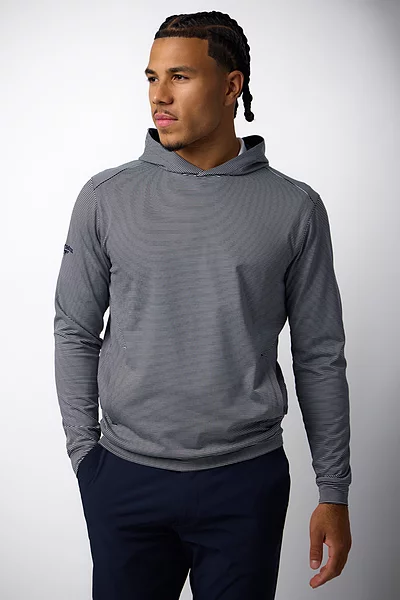
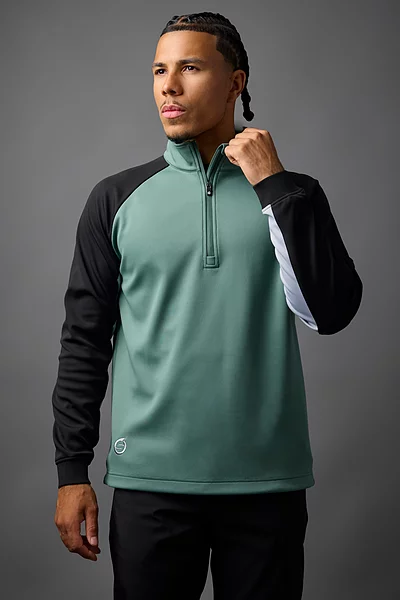
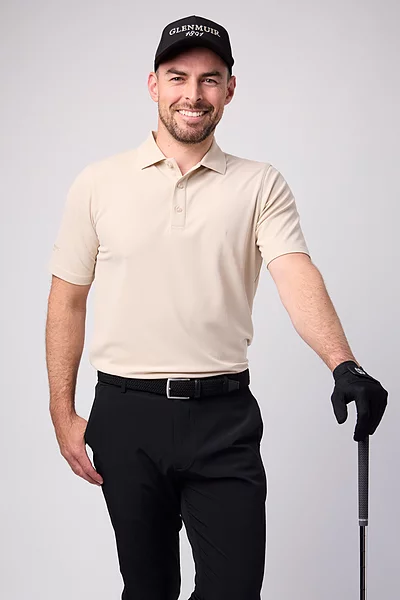
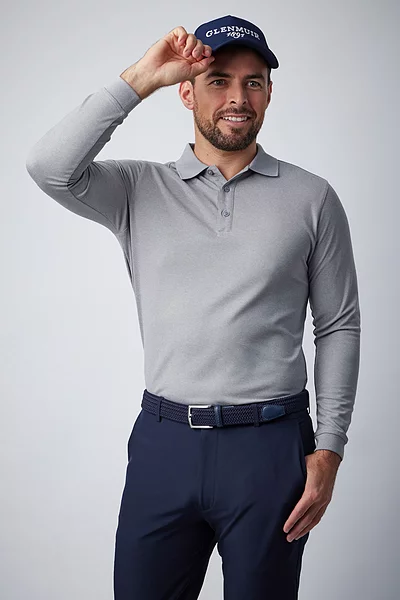
A lightweight performance polo with UV protection is the base, in a colour that will not show salt spray badly. The g.Deacon or g.Max pique is built for exactly these conditions, with UV+40 protection and the textured pique that lets the breeze move through the fabric rather than fight it. Pack a lightweight performance midlayer like g.Wick or g.Cameron hoofir to protect your ears between shots for the back nine, and if the forecast suggests genuine wind, a Sunderland showerproof midlayer s.Colorado is the step up that earns its place in the bag. The s.Thermal Neck warmer and g.Malabar is worth taking as the wind will inevitably show its teeth.