 2026 Platinum
Table of Contents
- Ridgemount Road
- A course of Roberts, Park and Colt
- The round
- The halfway house
- The closing stretch and the great oak
- The clubhouse
- Playing here as a visitor
- What to wear
Ridgemount Road
You drive down Ridgemount Road expecting one thing and finding another. The road itself is quiet, suburban, tree-lined, the sort of leafy Berkshire lane that gives no hint of what sits at the end of it. The address is Sunningdale, Berkshire, thirty miles south-west of London. The club is Sunningdale Golf Club, home to two of the finest inland golf courses in the world, one of them arguably the best. Through the gates, past the members’ car park, into the visitor bays, and the world changes gear entirely.
The transition from suburb to sanctuary happens within a hundred yards. The heather and gorse begin. The great oak tree, the one you have seen in photographs, appears in the distance beside the clubhouse. Somewhere between arriving and taking your clubs out of the boot, you understand why people who play here talk about it the way they do.
A course of Roberts, Park and Colt
Sunningdale exists because two brothers had a good idea about heathland. In 1899, T.A. and G.A. Roberts built a house in Sunningdale called Ridgemount, on land leased from St John’s College, Cambridge. The land itself was regarded at the time as more or less worthless. Sandy soil, heather, gorse, pine trees. But the drainage was perfect, the ground rolled with natural interest, and there was a direct railway line from London. The brothers approached the college with an idea to build a golf course. In December 1899, they signed a contract with the Open champion Willie Park Jr. to lay out the course for £3,800. The Old Course opened on 23 September 1901.
That would have been the end of a good club story. What made it a great club story was the appointment made a few months later. Sunningdale received 435 applications for the position of first Secretary, invited six to interview, and selected a Cambridge-educated solicitor named Harry Colt for the annual sum of £150. Colt was 32 years old, had qualified as a lawyer, and had never designed a golf course. Over the next twelve years he would rearrange greens on the Old Course, redesign the first, seventeenth and eighteenth to accommodate a second course, and in 1922 return as the architect of Sunningdale New, opened in November 1923. In the meantime he had also worked on Muirfield, Pine Valley (alongside George Crump), Royal County Down, Swinley Forest, Wentworth, St George’s Hill and Stoke Park. By his death in 1951 aged 82 he had designed 115 courses solo and around 300 in partnership. All of it started at Sunningdale, in a club Secretary’s office, at £150 per year.
 |
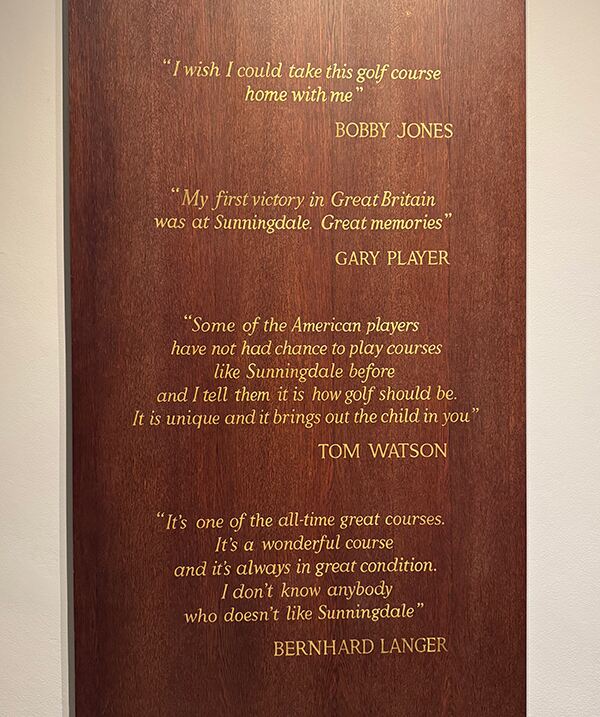 |
The other name Sunningdale is inseparable from is Bobby Jones. In June 1926, Jones was qualifying for the Open Championship at Royal Lytham. His qualifying round at Sunningdale that day was 66, made up of 33 strokes and 33 putts, with every hole played in either three or four. Bernard Darwin called it “incredible and indecent.” Jones simply said, “I wish I could take this course home with me.” He went on to win the Open at Lytham a few weeks later. Course records have been beaten many times since, but Jones’s 66 remains the most famous round in Sunningdale’s history because of its perfection, all threes and fours, all along the ground and through the air of a course that gives up nothing on either front.
The round
We played the Old Course on a day when the thermometer reached 34 degrees. The heather was in full lavender, the fairways were firm, the greens were rolling around 10.5 on the stimpmeter. Our caddie was Luke, an aspiring golf teacher who was patient, knowledgeable, and quietly saved at least five shots on the round. As at every world-class club, the caddie is the difference between playing the course and playing at it.
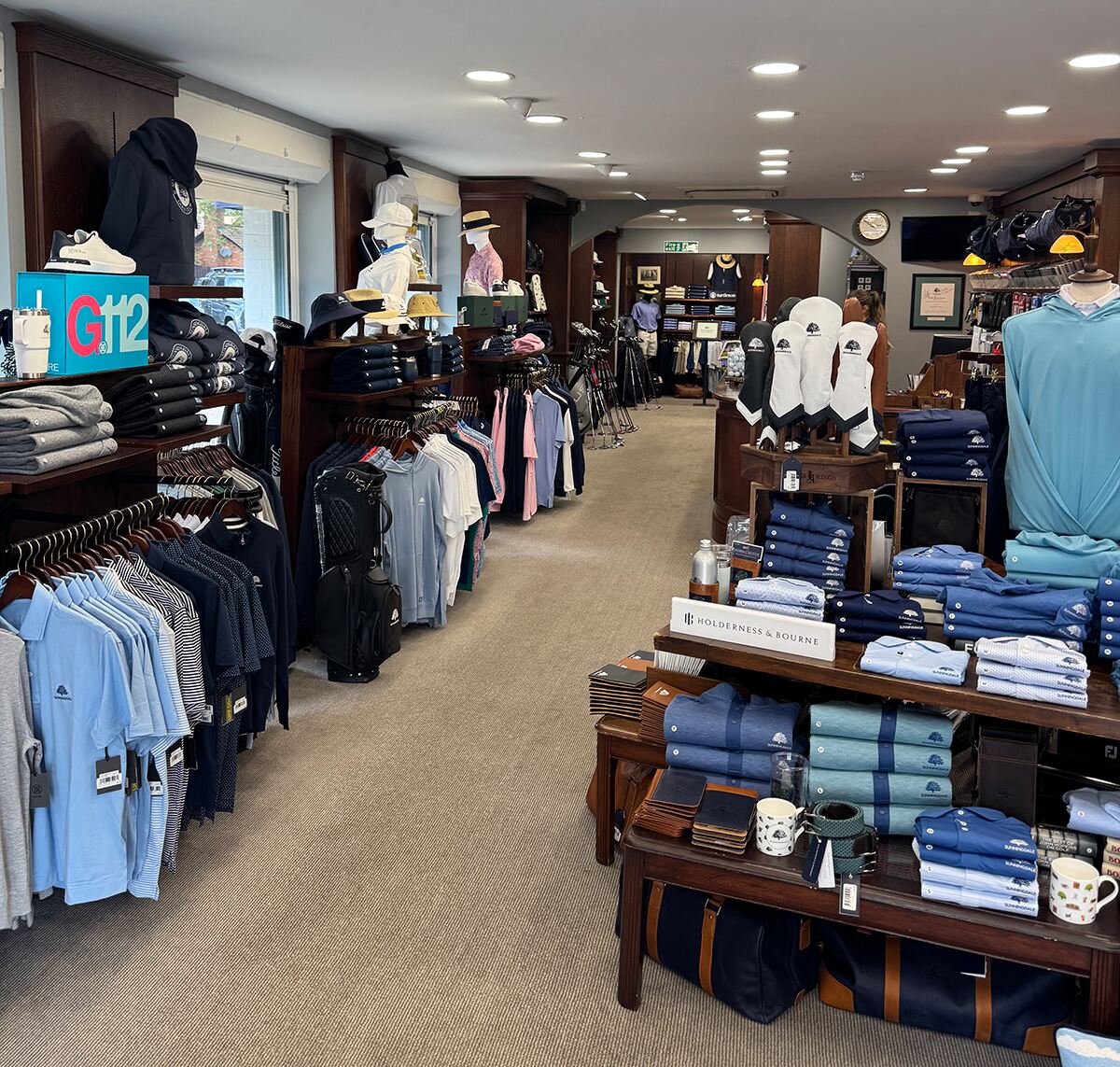
The pro shop is worth a mention before the round. Christian Foreman, Sunningdale’s Director of Golf, is a fourth-generation PGA professional whose father, grandfather and great-grandfather were all in the trade before him. He and Richard Andrews run one of the finest pro shops in England, and the merchandise, all carrying the members’ logo of the great oak tree, feels more like a well-curated boutique than the usual glass cabinet display. We are honoured that Sunningdale, stocks Glenmuir and Sunderland in its shop as well as through a Members ecommerce page.
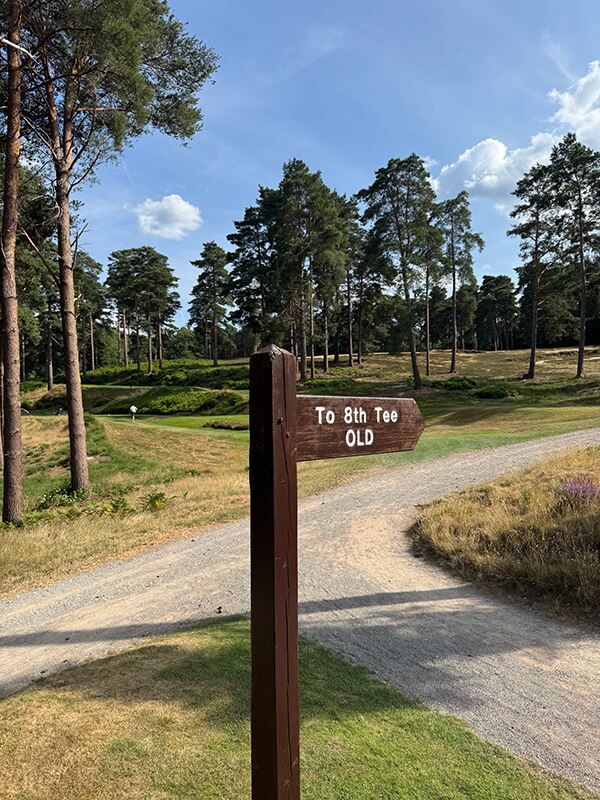
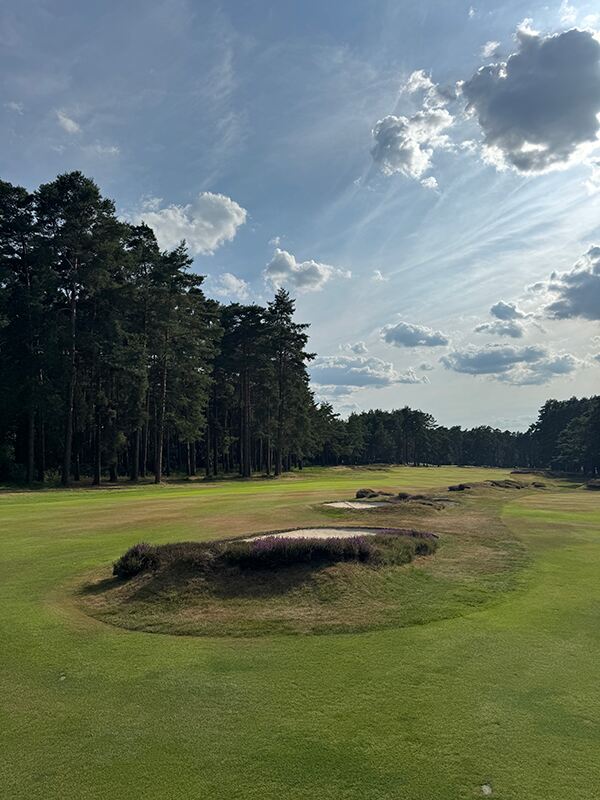
From the yellow tees the Old Course measures around 6,000 yards. It is a par 70 with two par fives and four par threes, an unusual configuration that gives every hole space to say something. The strengths of the round are the standout holes. The second is a dogleg par four where the tee shot must find the left half of the fairway to open up the approach. The third is a short par four that asks a question early. The fifth is the first of the great par threes, uphill, difficult, framed by heather and bracken so the green sits in a natural amphitheatre. The seventh has a blind tee shot into a fairway that is not where you think it is, followed by a beautiful approach into a green that is exactly where you hope it is. The eighth is another wonderful par three. The tenth, from an elevated tee looking down at the halfway house in the distance, is one of the finest drives in inland golf. The fourteenth is the second of the great par threes, downhill this time, the green looking small from the tee and generous once you are on it, the heather doing all the framing.
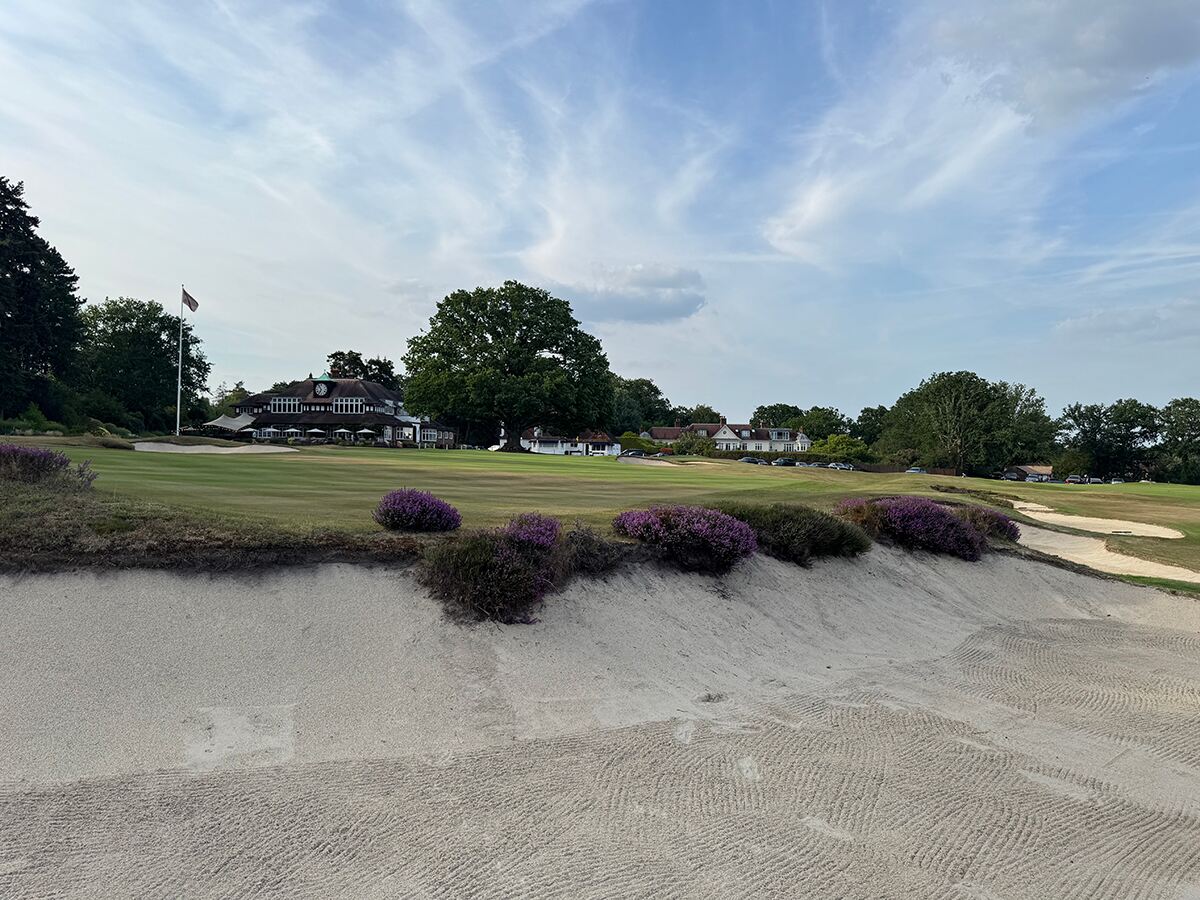
Bunkers matter here as much as they do at any Colt course. They are deep. They are placed where the shot needs to think. There is a particular Sunningdale trick with the fairway bunkers, which sit forty to fifty yards short of many greens, exactly where a badly-struck approach would run into them. If you play the correct trajectory they are not a factor. If you play the wrong one, they are the only factor.
We walked the round in three hours and fifty-five minutes in the heat. Sunningdale is not a long course by modern standards. It is not the longest test on the professional calendar either. What it is instead is a course that never feels rushed and never feels slow. From the yellow tees, I somehow shot a 78, my best round in years. As I remarked to a playing partner, a round like that would tempt anyone to join. The waiting list, of course, is about thirty years.
 |
 |
The halfway house
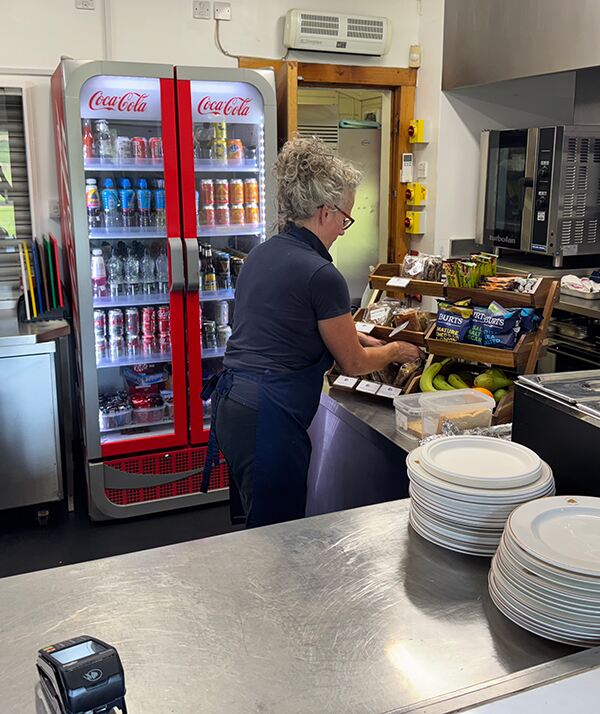
Then, at the top of the tenth, the halfway house. Sunningdale’s halfway hut has been in place since 1903 and stands where the ninth of both courses converges with the tenth of both. The building is a small Swiss-chalet-styled cabin, modest and understated, and it has become one of the most famous small structures in golf.
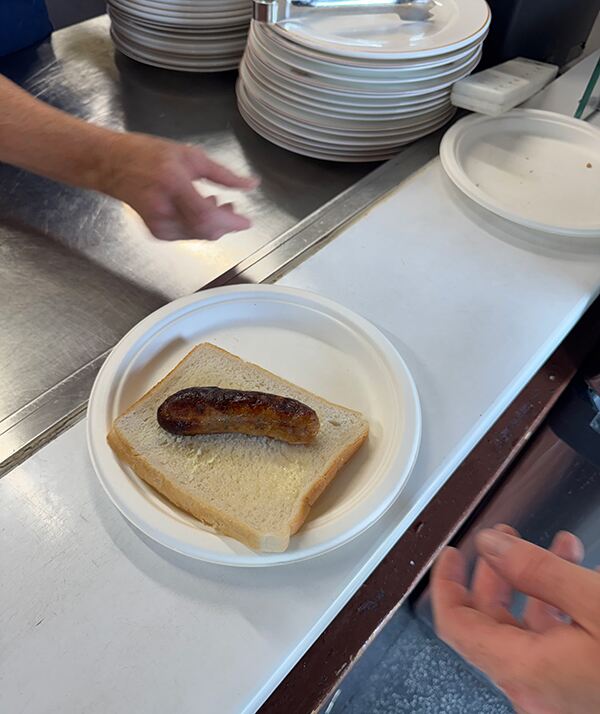
The reason is Rita. Rita has served the sausage sandwich at Sunningdale for decades. The sandwich itself is a plate of Sunningdale simplicity: a well-done sausage on a slice of white or brown bread, heavily buttered, served quickly. She reportedly gets through around 160 sausages a day. The walnut flapjacks are made in-house and are the other reason to stop, along with a homemade dish of the day at the weekends, either a curry or a shepherd’s pie. Dogs are welcome and water bowls are dotted around.
Sunningdale’s own tradition around the halfway house is written into the club’s language. The club’s line runs, “Tradition says that everybody stops and imbibes but speedily.” Imbibes rather than consumes, which is very Sunningdale. Speedily, which is also very Sunningdale. In practice this means around fifteen minutes at the tables outside before you should be thinking about the tenth green if you are still on the Old, or the tenth tee if you are on the New. One useful tip: the eleventh tee sits right next to the tenth green. While you are still warm from the 10th, and if nobody is on it and the bell has been rung, hit your eleventh tee shot before you go for lunch. Then eat properly. The back eight will thank you.
 |
 |
The closing stretch and the great oak
The back eight plays a touch longer than the front and finishes with two of the great home holes in golf. The seventeenth is a par four of around 415 yards from the members’ tees, running along a valley beside the eighteenth in a way unique to Sunningdale. The finish is unique because the valley below the clubhouse is broad enough for both closing holes to run alongside each other. Wind here is a factor, and the firm fairway kicks the ball left, so the tip is to keep it down the right side.
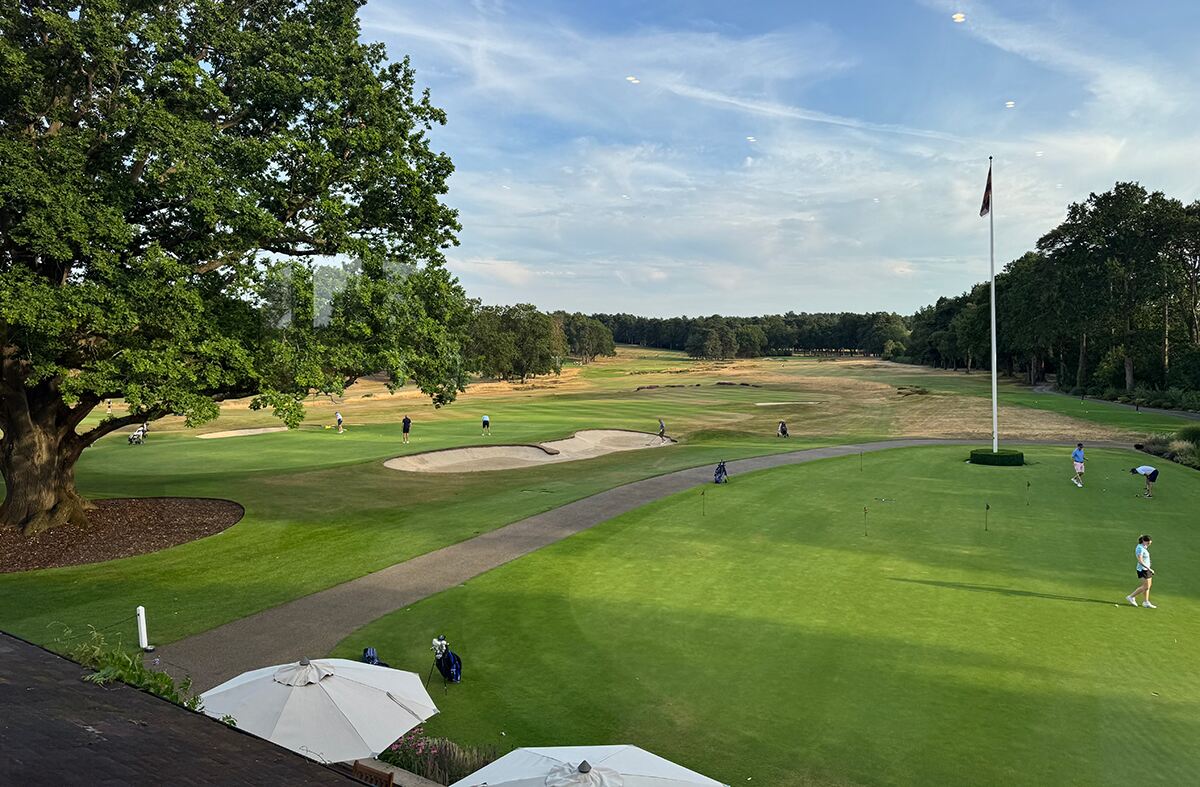
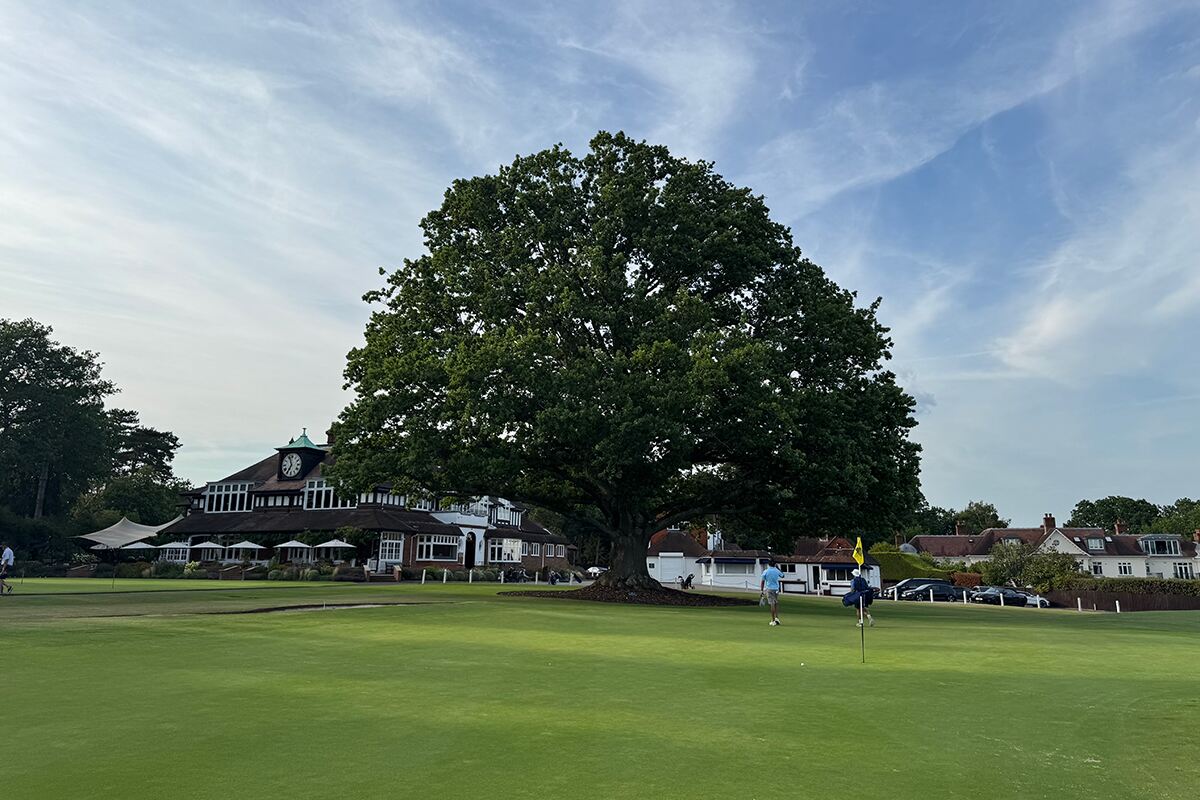
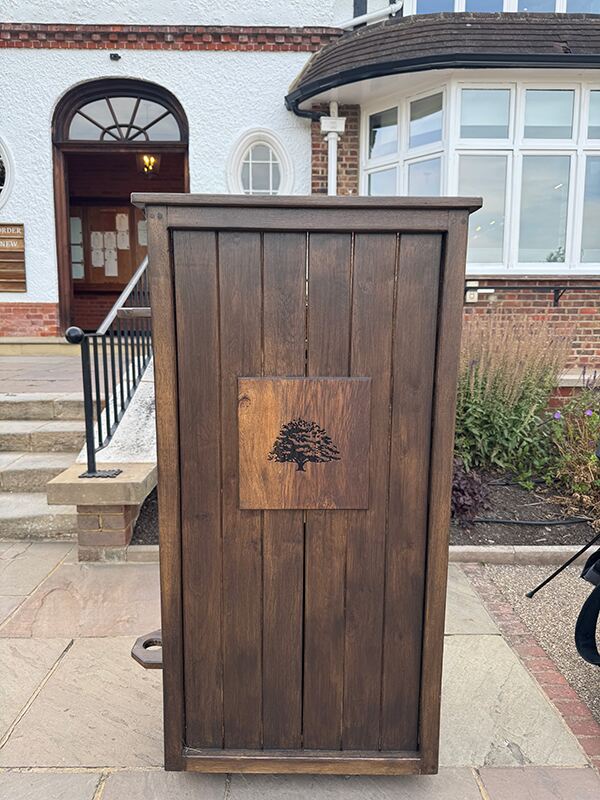
The eighteenth is a par four of around 425 yards, the second shot played toward the clubhouse and the great oak tree that stands behind the green. The oak has been on this piece of land longer than golf has, longer than the club, longer than the town that grew up around the club. It is where Sunningdale’s members’ logo comes from. It is the beacon the pro shop merchandise carries. The original first tee at Sunningdale sat almost directly beneath it. The eighteenth green was moved slightly in 1922 to make room for the New Course’s opening hole, and Colt reorganised the eighteenth tee at the same time, but the oak has not moved in over a century. The finish, with the sun going down, members and visitors gathering on the terrace, younger golfers chipping and putting nearby, is as good a closing image as inland golf offers.
The clubhouse
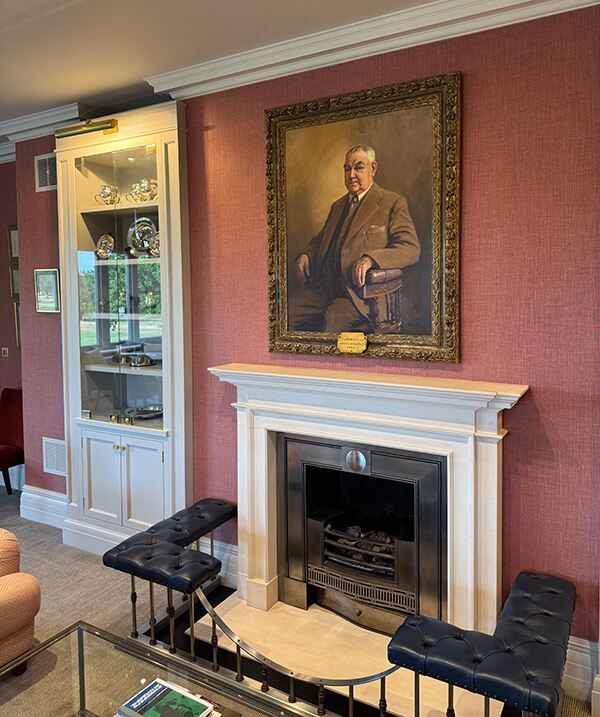
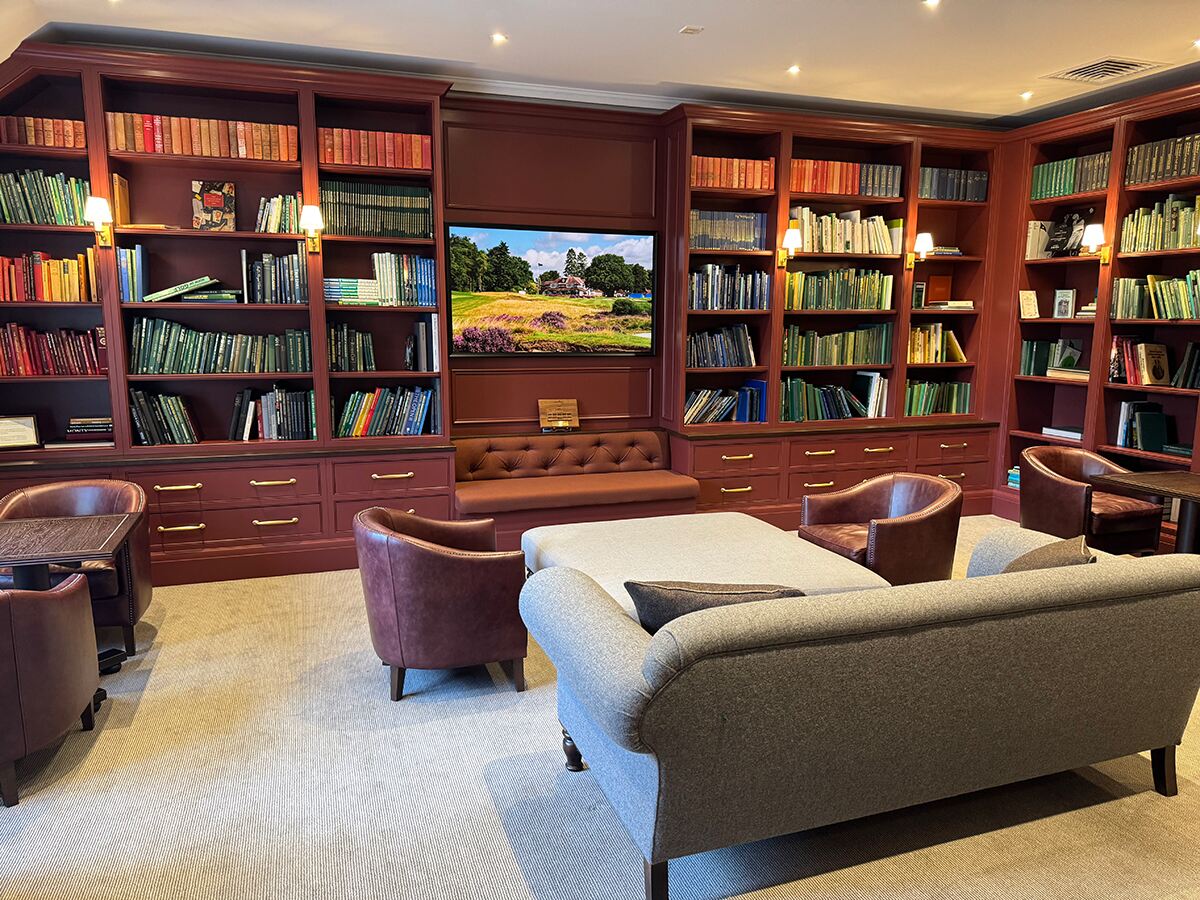
The clubhouse has been renovated in recent years. The renovations manage the difficult trick of feeling modern without disturbing the tradition. Traditional colours, archival photographs, newspaper cuttings and winners’ scoreboards line the walls. Paintings of legendary members and historic tournaments hang alongside them. It is the kind of clubhouse where you can lose an hour reading before you realise how much time has passed. The visitors’ changing rooms are extensive and well appointed, with modern showers, Molton Brown soap and generous stacks of towels. The view of the eighteenth from the terrace, particularly at dusk, is one of the finest at any club in the country.
What is also noticeable is the number of younger male and female golfers practising and playing on the range and the short-game areas. The future of golf at Sunningdale looks secure. In fifty years the traditions, the layout, the great oak and the sausage sandwich will still be here. The generation currently working on the chipping green will be the members walking the terrace.
Playing here as a visitor
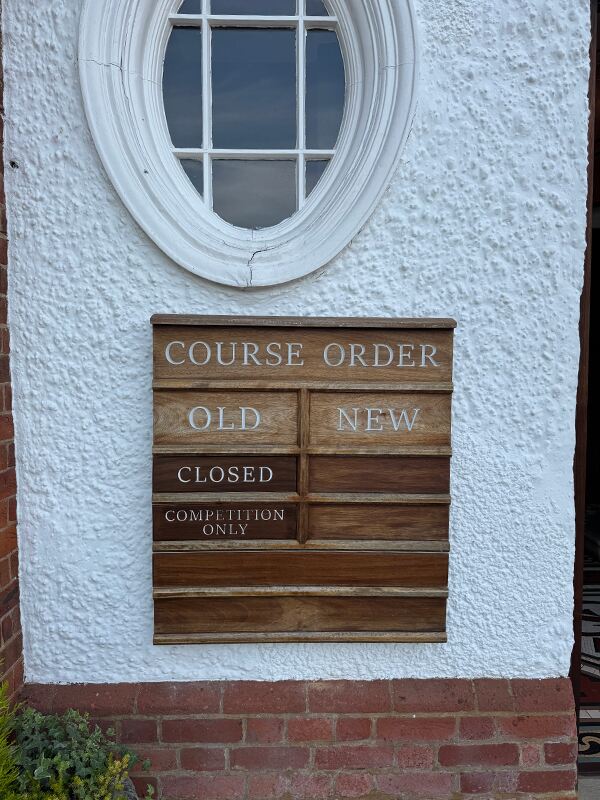
Sunningdale welcomes visitors on Monday through Thursday. Friday and the weekends are for members. Tee times need to be booked well in advance through the club, particularly during the summer months. A caddie is strongly recommended for a first visit and will save you 5 shots, their fee is £120 plus gratuity. The pro shop is worth an hour of your time even if you buy nothing.
Membership itself is a longer story. Sunningdale membership requires proposers and supporters, sits on a substantial waiting list, and is one of the most sought-after in world golf. That is exactly as it should be. The traditions, the immaculate presentation, and the sense of belonging that Sunningdale members carry with them all depend on that mentality of patience and respect. It is one of the reasons the club feels the way it does. Down to earth, understated, elegant, traditional. The staff make you feel welcome as a visitor from the moment you arrive.
 |
 |
What to wear
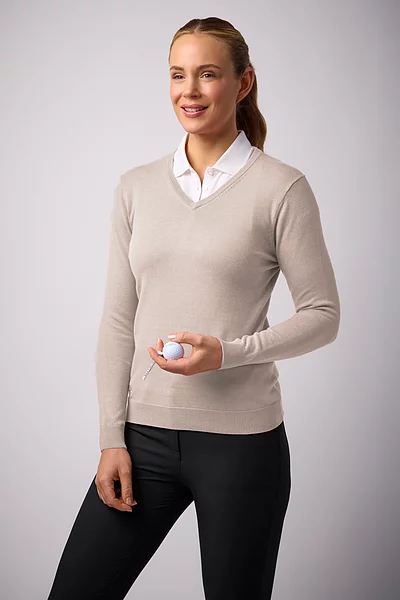
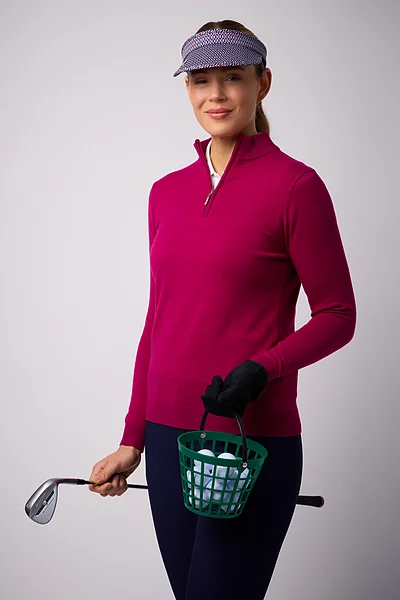
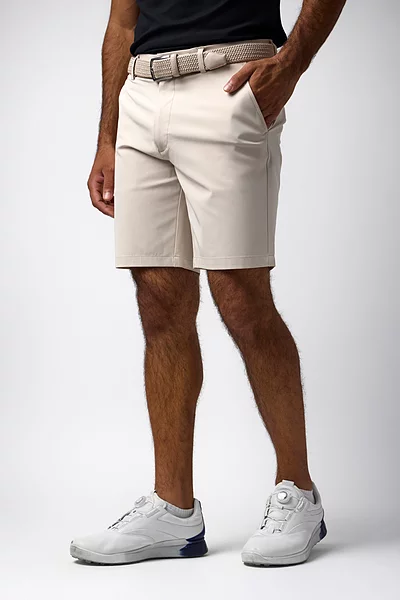
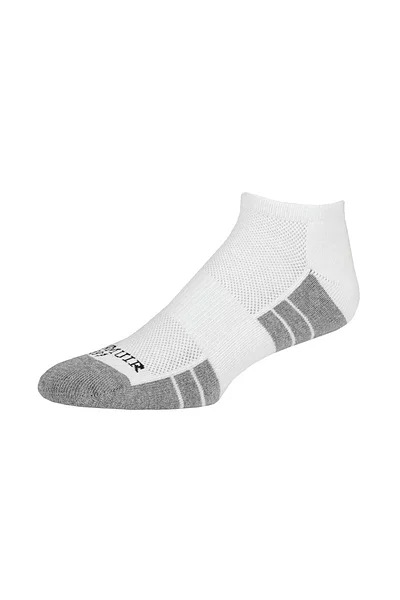
Sunningdale is heathland golf in the classic English tradition. Cotton knitwear, a soft-collar polo, well-cut trousers, the wardrobe of the Mr and Mrs Glenmuir customer written for exactly this kind of club. On a hot day like the one we played, a lightweight performance polo works best for the round. The g.Deacon pique with its UV+40 finish is the practical choice in high temperatures. A performance slipover such as the g.Dunnet handles the cooler early tee times without adding heat under a polo. Finish with a pair of g.Jackson shorts, lightweight and you do not need long socks at Sunningdale so the cotton g.Dryburgh socks work and breath perfectly. Sunningdale, as noted, is a Glenmuir stockist in its own pro shop, one of a handful of world-class clubs where the two brand identities sit alongside each other.

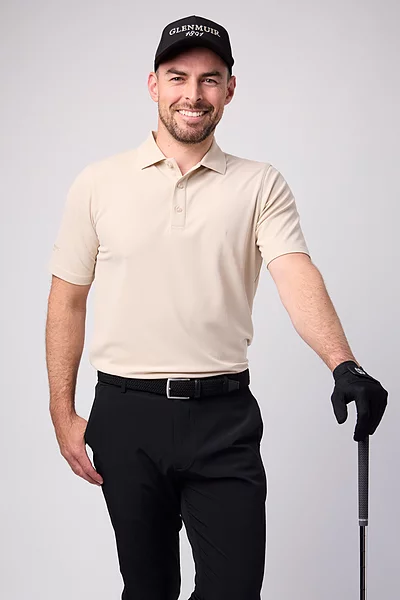
For visits outside the summer months, the classic cotton knitwear layer comes into its own. The g.Eden and g.Darcy v-neck cotton sweaters or the g.Devon and g.Ava quarter zips are the pieces Mr and Mrs Glenmuir would already recognise, and both are perfectly suited to the pace and register of a spring or autumn round at Sunningdale.