 2026 Platinum
Table of Contents
- The courses are not what you are used to
- Booking: plan early, but leave room
- No carts, no cart girls, carry your bag
- Green fees in context
- Tipping and caddie culture
- What to wear
- The people make the trip
Every year, thousands of overseas (mainly American) golfers make the pilgrimage to Scotland. Some come for the Old Course. Others come for Royal Dornoch or Turnberry or Carnoustie. But almost all of them arrive with the same mix of excitement and uncertainty: how different is it, really?
The answer is: very. And in the best possible way.
The courses are not what you are used to
Jim Hartsell, an architect from Alabama, has made seven trips to Scotland and played 82 courses. His obsession began aged nine, watching the Duel in the Sun at Turnberry with his father, and he has been hooked ever since. His most consistent observation is that the golf requires a completely different mindset.
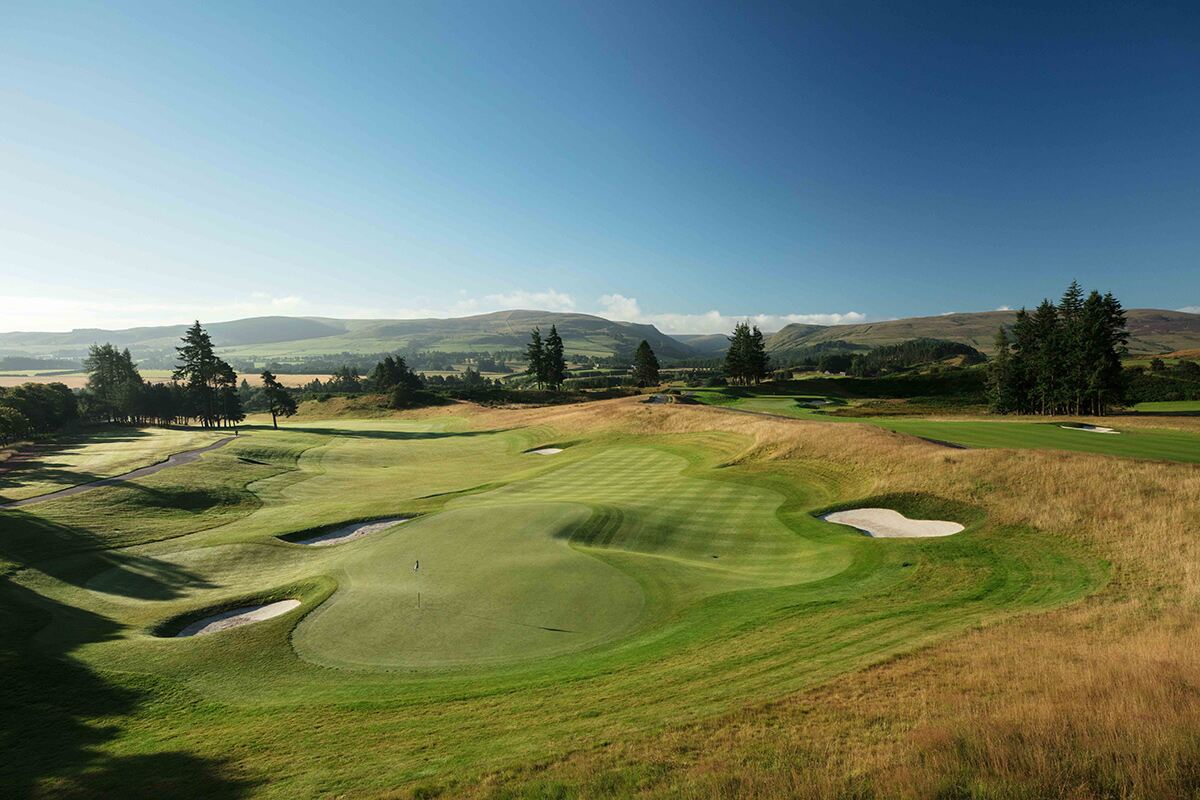
Scottish links golf is a ground game. The ball bounces, rolls, and reacts to the terrain in ways that are unfamiliar to golfers raised on soft, irrigated fairways. Club selection changes constantly with the wind. A 150-yard shot might be a nine-iron one moment and a five-iron the next. The bump and run is not a compromise shot here. It is the percentage play.
Andy Groh, another American with deep Scottish connections (his father ran the oldest course in Michigan, built in 1898 by Alex Smith of Carnoustie), puts it more directly: leave the lob wedge in the car. You will not need it. And if you try to use it, the wind will make you regret it.
Booking: plan early, but leave room
The top courses require advance booking, sometimes a year or more ahead. The Old Course ballot at St Andrews is famously competitive in peak season. Royal Dornoch, Muirfield, and the Open rota courses all have limited visitor availability that fills quickly.
But here is what most guidebooks do not tell you: the hidden gems are often available at short notice. Courses like Crail, Elie, Lundin Links, Brora, and dozens of nine-hole layouts across the country can frequently be booked days or even hours in advance. Hartsell’s approach on his most recent month-long trip was to plan the big courses ahead and leave several days completely open, following recommendations from locals and fellow golfers met in pubs and clubhouses along the way.
No carts, no cart girls, carry your bag
This is the single biggest cultural adjustment for overseas golfers. Scotland is a walking game. Buggies (the Scottish term for golf carts) are available at some courses, particularly the resort venues, but at the vast majority of clubs, you carry your bag or use a pull trolley. There are no cart girls. There is no drinks cart doing laps of the course.
What there is, on many courses, is a halfway house at the turn, where you can get a pie, a coffee, a bacon roll, or something more adventurous. But between the first tee and the halfway house, you are on your own. Pack a water bottle, a snack, and an extra layer in the bag. Every gram of weight matters when you are carrying for 18 holes, which is why packable, lightweight clothing is not a luxury but a necessity.
Green fees in context
Overseas visitors sometimes experience shock at the green fees for Scotland’s championship courses. The Old Course at St Andrews, Royal Dornoch, and Muirfield are not cheap. But context matters. Neil Hampton, the general manager at Royal Dornoch, has made the point that his course charges a fraction of what comparable American venues demand. Sawgrass charges $750. Pebble Beach is over $600. Royal Dornoch, regularly ranked among the top ten courses in the world, is considerably less.
And for every championship course charging a premium, there are dozens of courses charging £30 to £60 for rounds of genuine quality. Dunaverty on Kintyre, which Hartsell discovered on his first trip and has returned to every time since, cost £5 when he first played it. The value in Scottish golf is extraordinary once you look beyond the headline names.
Tipping and caddie culture
Caddies are available at the championship courses and are well worth taking, particularly on a first visit. They will read the greens, manage the wind, keep you out of trouble, and save you several shots. Tipping is expected and appreciated: £50 to £100 is standard depending on the course. At less formal clubs, caddies are less common but a pull trolley is generally available.
What to wear
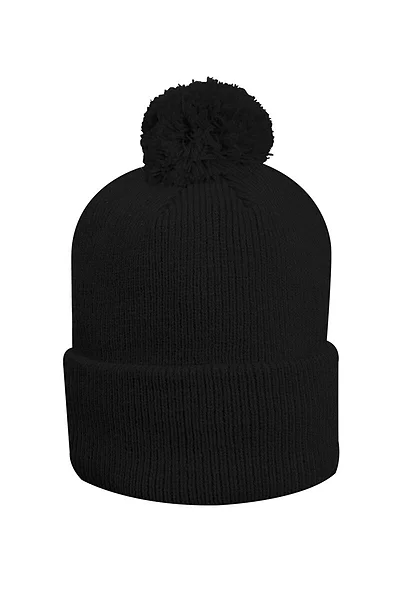
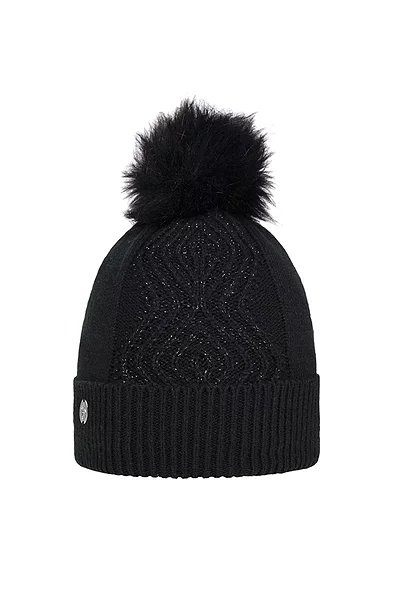
The single most common mistake overseas visitors make is underpacking for the weather. Scotland can deliver four seasons in a single round, and the wind on a links course has no equivalent in most American golf. A layering system built around a merino (g.Knox or g.Jasper or g.Amira) or lambswool mid-layer (g.Coll, g.Esther), a packable waterproof like s.Whisperdry Stealth, s.Johnstone or s.Kyle, and a thermal beanie g.Malabar will cover most conditions. I like to start with a nice cotton shirt base layer the g.Kelso for men and g.Fern for ladies which keeps the muscles warm and blood flowing. The Sunderland s.Whisperdry Stealth is light enough to forget you are carrying it and waterproof enough for anything short of a monsoon. The lined sweater is a trusty companion on the links (g.Samuel, g.Penelope, s.Sirocco, s.Alpine).
For him








For her





The people make the trip
Hartsell’s strongest memory from seven trips is not a single course or a single hole. It is the people. The member at Machrihanish Dunes who, after walking half a hole together, invited him to play Royal Aberdeen. The hotelier who sent him to Dunaverty. The strangers in pubs who insisted on buying a round and sharing their favourite courses. Scottish golf has a hospitality culture that is difficult to describe until you experience it. Come as a visitor. Leave as a friend.