2026 Platinum

Table of Contents
- Two out of three
- Before the day
- Arriving
- On the course
- After the last putt
- Photographs and logos
- The next day
Two out of three
Glenmuir's Managing Director, Mikhel Ruia, has a simple test for anyone he plays with. 'They have to have two of three things,' he says, 'in this order. Play quickly, have good chat, great golfer.'
Note what comes last. Few golfers are left out of a fourball for shooting 90. Rather more are left out for taking five hours over it.
What follows is written mainly for the guest, the golfer playing somebody else's course at somebody else's invitation. Most of it applies just as well to the member doing the hosting. For the wider etiquette of Scottish golf, from pace of play to dress codes, see the unwritten rules of golf etiquette in Scotland.
Before the day
Settle the numbers early. An invitation for one is an invitation for one. Asking a week later whether a friend can come too puts the host in an awkward position, particularly if the two have only just met. If two people would like to play, say so when the invitation is first made.
Ask about the club's customs. Is a jacket and tie worn in the dining room? Are shorts allowed, and if so with what socks? Is the host planning to stay for lunch? A guest who asks these questions beforehand is never caught out on the day.
Agree how the green fee will be handled. Many members' clubs are told by the member in advance whether the guest will settle the green fee or whether it is to go on the member's account. Even so, the guest should arrive ready to pay.
Arriving
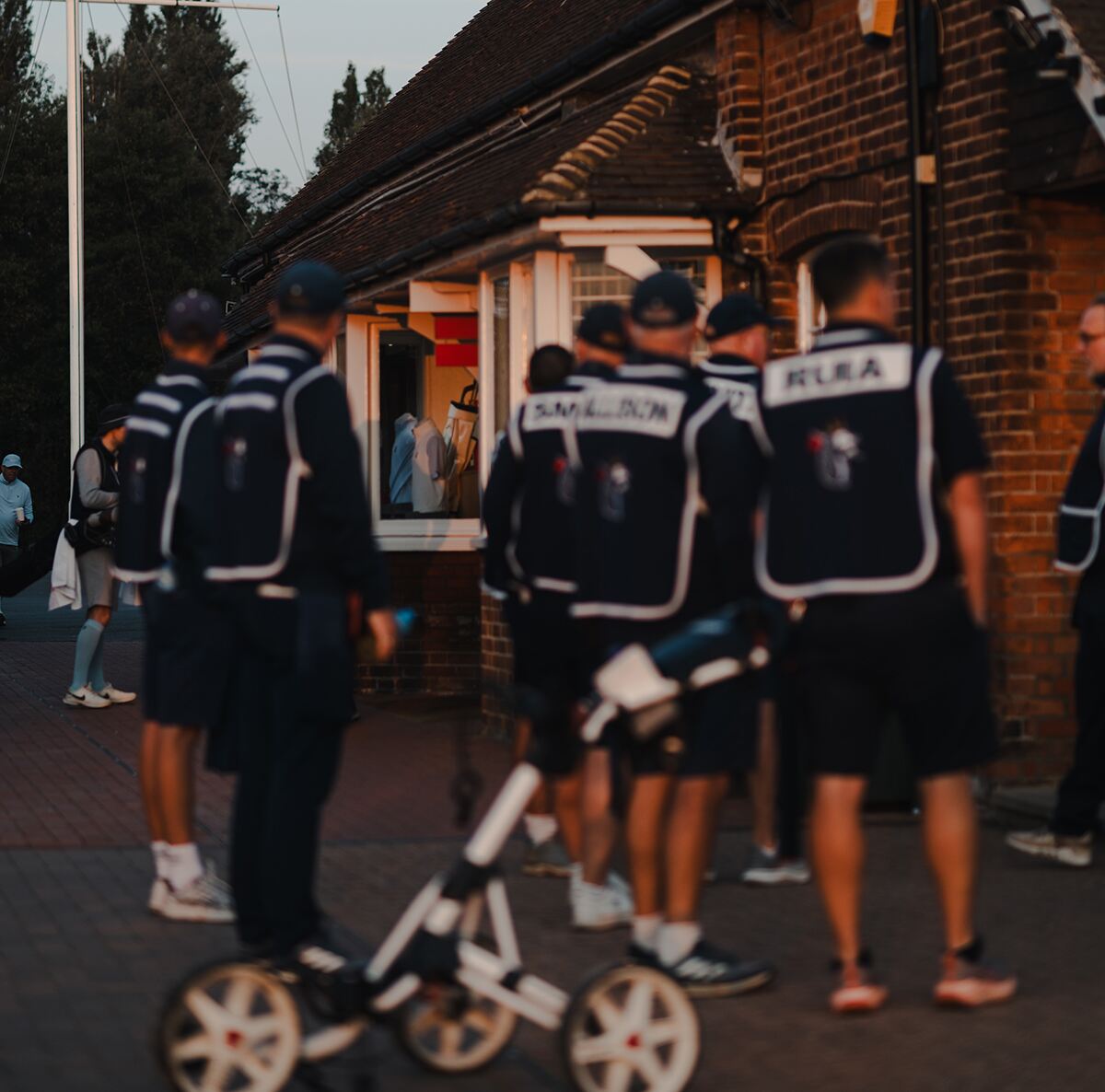
Arrive at the time the host suggests, and check in at the pro shop at least 30 minutes before the tee time. That leaves time to sign in, offer the green fee, change and loosen up without hurrying. Turning up an hour early and making oneself at home on the range before the host appears is the opposite mistake: the guest is there at the member's invitation, and the day runs to the member's clock.
Arrive in clothes fit for the clubhouse and change into golf clothes in the locker room, never in the car park. And bring some cash: for the green fee if the host will accept it, for the caddie, and for whatever small wager the host suggests on the first tee.
On the course
Keep up
Play at the pace the host sets and stay in touch with the group in front. The Rules of Golf themselves recommend making each stroke in no more than 40 seconds, and allow ready golf in stroke play. The guest who suspects this may be the only round they ever play on a famous course is the one most tempted to linger over every shot, and the one with the least right to.
Leave the bag in the right place
Walking up to a green, look for the next tee and leave the bag or trolley on that side of the green, out of the line of anyone's putt and out of their eyeline. A player who leaves a bag at the front of the green and then walks back across it to the next tee slows the round and irritates the group behind.
Repair more pitch marks than are needed
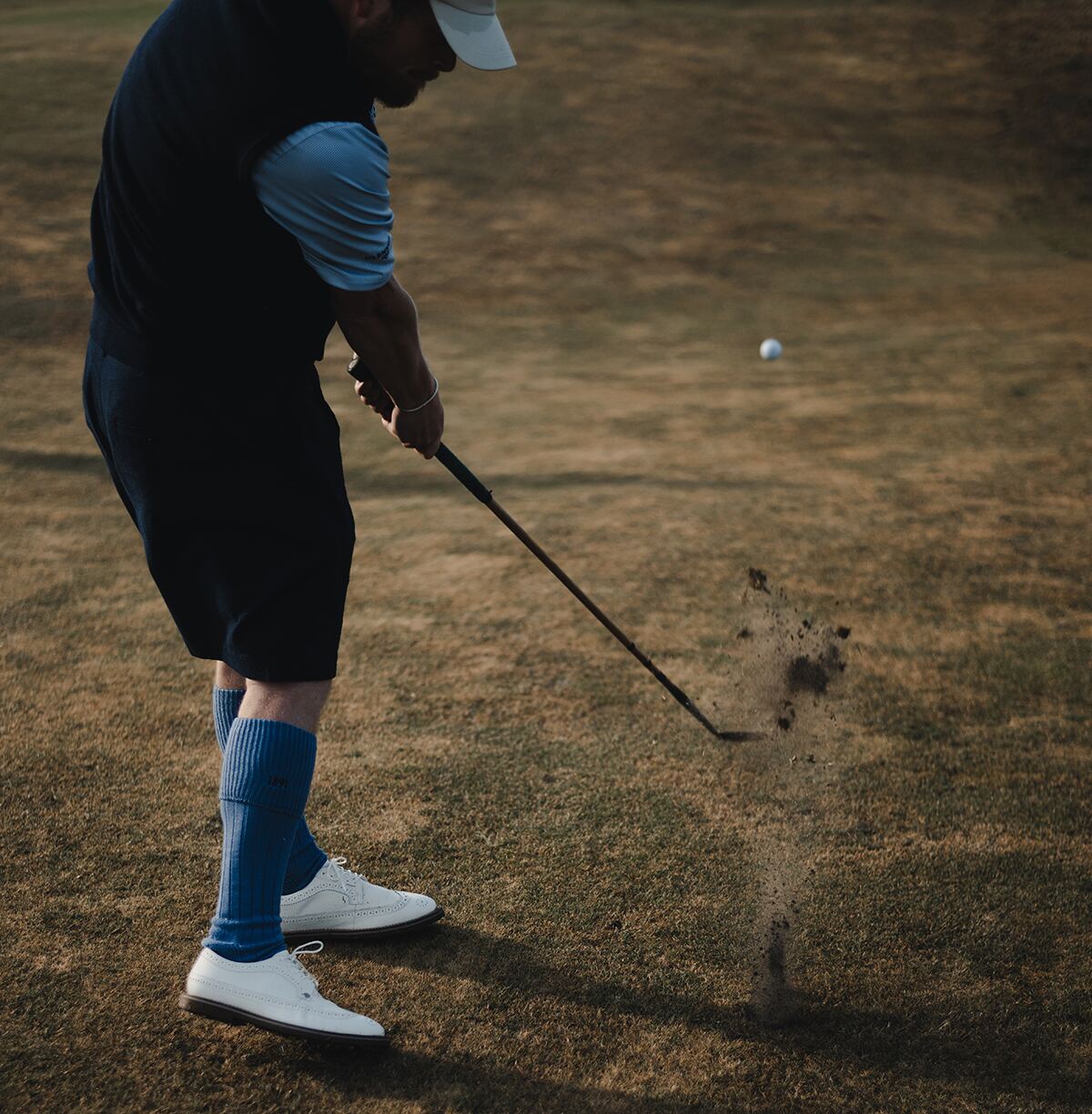
Repair the pitch mark the ball made, the host's if it has been missed, and two more. Since 2019 the Rules have allowed spike marks and most other damage on the green to be repaired as well, so there is no excuse for leaving a green worse than it was found. There is a self-interested reason too. Crouching to repair a mark puts a golfer close to the surface, which is the best place from which to read the slope and the grain. Good manners and a competitive edge, in one.
Play the course in front of the group
Talk about the course being played. Comparing its greens with the ones played last week, however kindly meant, tells the host that the guest's mind is somewhere else. Follow the host's lead on conceded putts, the format and the order of play. And keep a lid on the temper: a bad score belongs to one player, a bad mood to the whole group.
After the last putt
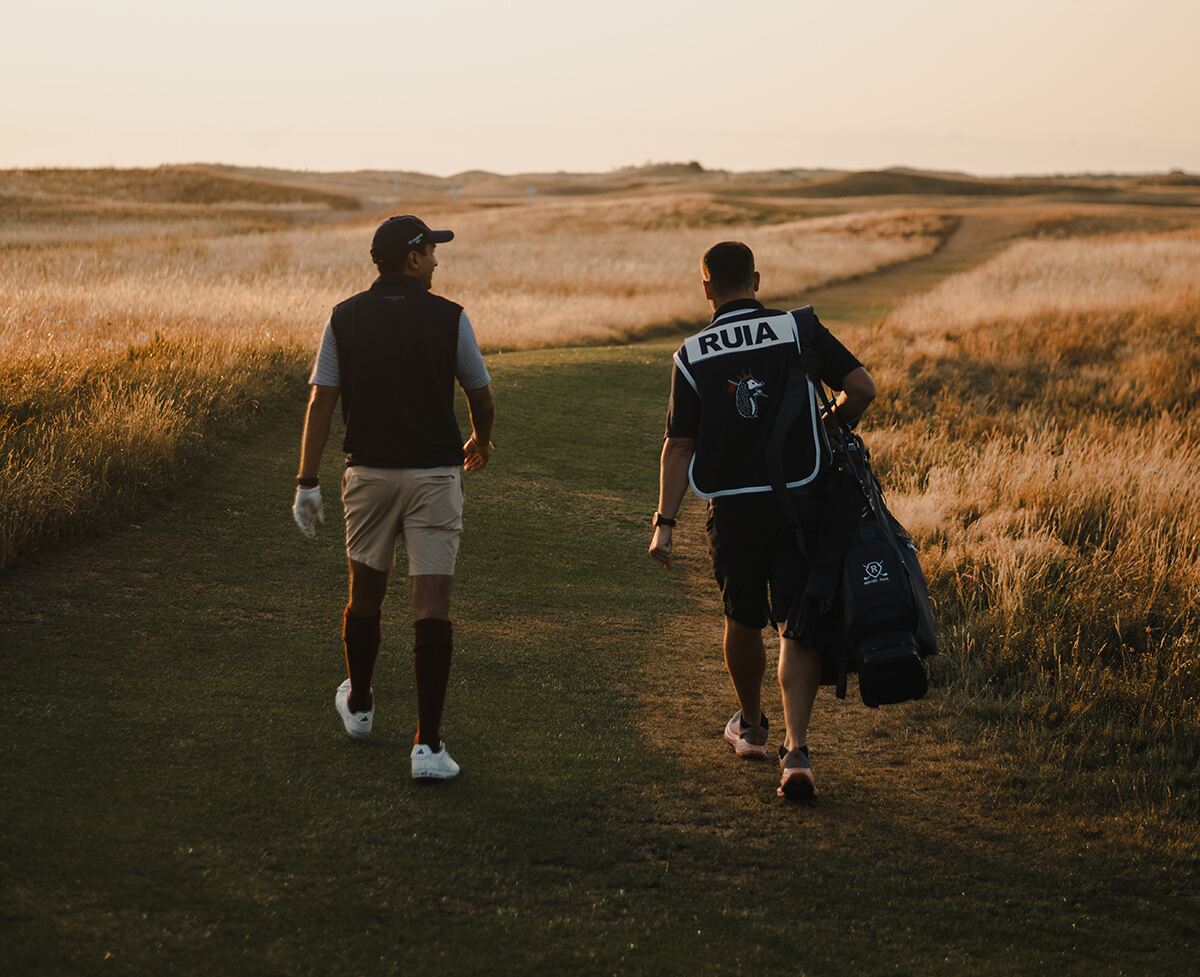
The round ends with a handshake on the 18th green, caps off. It is one of the game's best-loved rituals and costs nothing to observe.
What happens next is the host's decision. An invitation to play is an invitation to the day, so leave time for a drink or lunch afterwards and accept it when offered. If the host needs to leave straight away, leave with them.
Offer to buy the first round. At some clubs the bar runs on members' cards and a guest cannot pay at all, in which case the offer is what counts.
Pay the caddie in cash, and ask the caddie master or the host before the round what is customary rather than whispering about it on the 18th green within earshot of the caddie. Some guests also offer to pay the host's caddie as a thank-you. Some hosts accept gladly; others would rather not, so offer and do not insist. Guidance on caddie fees in Scotland is in a visitor's guide to playing golf in Scotland.
Photographs and logos
Ask before taking photographs, even on a course where everyone else seems to be filming. Many clubs restrict phones and cameras, some members are private about their club appearing online, and a post that seems harmless can leave the host with an awkward conversation at the next committee meeting.
A golfer's own club crest is always welcome. The host club's crest is best bought in the pro shop at the end of the day and worn somewhere else. Many of the finest clubs in the world have their crests proudly embroidered at the Glenmuir Lanark factory, on Glenmuir favourites such as the g.Deacon, the Italian Merino g.Jasper, and the lambswool g.Morar, and a club polo or sweater is the souvenir most guests take home.



The next day
Send a short thank-you the same evening. A text is fine; a handwritten note is remembered for longer. And if the host ever comes the guest's way, return the invitation.
None of this is written down anywhere, which is rather the point. It is learned by watching the golfers who are always asked back.